
Nespresso Creatista Plus Coffee Machine Sold Out After Morning Television Feature
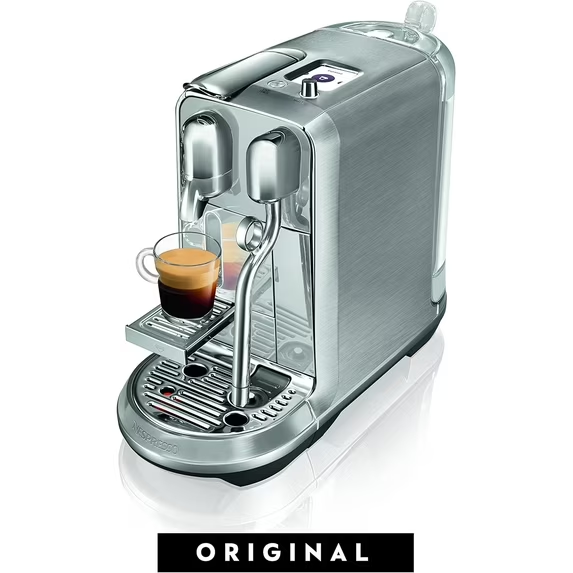
A shiny coffee machine can disappear faster than a sneaker drop when the right audience sees it at breakfast time. The Nespresso Creatista Plus moved from “nice upgrade” to “check every retailer now” once morning television put it in front of U.S. shoppers who already wanted café drinks without learning a full espresso setup. Breville’s U.S. page lists the model as out of stock and describes the draw clearly: a 3-second heat-up, 8 texture levels, 11 milk temperature settings, and an included stainless steel milk jug. For buyers watching kitchen trends, home gifting, and consumer product visibility, the lesson is simple. A product does not sell out only because it appears on TV. It sells out when TV solves hesitation. People saw a home espresso machine that looked premium, felt doable, and promised milk drinks without barista training. That mix creates pressure. And when a countertop appliance already sits on wish lists, one bright morning segment can turn waiting into buying.
Why the Nespresso Creatista Plus Sold Out So Fast
Scarcity around a coffee machine rarely comes from one clean cause. It comes from stacked reasons. A household sees the machine on a morning show, checks the price, notices low stock, remembers how much café drinks cost, and decides the purchase feels less wild than it did yesterday. That chain can happen in under five minutes.
Morning TV Turns a Countertop Machine Into a Same-Day Decision
Morning television has a strange kind of power. People watch it while making coffee, packing lunches, answering emails, or scrolling before work. That means the product appears during the exact moment it claims to improve.
A coffee machine shown at 8:15 a.m. does not feel abstract. It sits inside the viewer’s current problem. The coffee is weak. The kitchen is busy. Someone wants a latte but does not want to drive across town. So when a host pulls a clean shot and textured milk appears without a loud grinder or messy portafilter, the purchase feels practical.
That is the hidden force. TV did not need to teach viewers everything. It only had to remove doubt.
For U.S. shoppers, the timing also matters. Late spring and early summer push people toward home routines again in a different way. Teachers are home. college students return. families host brunches. Wedding registries fill up. Father’s Day and summer housewarming gifts sit close together. A premium coffee machine lands in all those lanes without needing a hard pitch.
Scarcity Hits Harder When the Machine Feels Familiar
Many sellouts happen because a product feels new. This one is different. The Creatista line has been around enough for shoppers to know the shape, the stainless finish, and the promise of pod-based coffee with a steam wand. That familiarity lowers fear.
A buyer may not understand pressure bars, grind size, puck prep, or boiler types. They do understand Nespresso pods. They understand Breville as a kitchen name. They understand a screen that walks them through drinks. Familiar pieces make a premium price feel less risky.
The non-obvious part is that familiarity can create faster panic than novelty. With a brand-new gadget, shoppers pause to research. With a known machine, they tell themselves they already know enough. When the product page says out of stock, the pause disappears.
That is why a morning feature can drain inventory. The segment is not the whole story. It is the final nudge.
What Buyers Are Actually Chasing Beyond the Hype
The sellout story may sound like hype, but the buyer motive is more grounded. People are not only chasing a pretty machine. They want better coffee with fewer steps. They want milk drinks that do not taste like foam sitting on top of burnt espresso. They want something that earns counter space.
The Automatic Steam Wand Makes the Upgrade Feel Safer
A steam wand usually scares casual coffee drinkers. It looks like the part where things go wrong. Too much air, not enough heat, milk all over the counter, a scream from the pitcher, and suddenly the café dream feels silly.
The automatic steam wand changes that feeling. Breville says the machine creates textured milk set to the user’s preferred temperature, and its wand purges itself after use, cutting down cleanup. That detail matters because milk is the messy part of home coffee. Pods keep espresso simple, but milk decides whether the drink feels close to a café order.
Here is the real kitchen example. A parent in Phoenix can make a quick espresso before school drop-off. Ten minutes later, their spouse can make an oat milk flat white with a different temperature setting. No one has to re-learn the machine each time.
That is not a luxury problem. It is a routine problem.
Latte Art at Home Is Less About Art Than Routine
Latte art gets attention because it looks good on camera. Yet most buyers are not buying the machine to pour perfect hearts every morning. They are buying the feeling behind that moment: control, calm, and a small upgrade before the day starts swinging.
Food & Wine’s testing called the model the best splurge Nespresso machine and pointed to its balance of pod convenience and creative drink control. The review also noted three coffee sizes, 8 milk textures, and 11 milk temperatures, which gives buyers a wide drink range without a full manual setup.
That is why “latte art at home” works as a selling idea even for people who may never post a cup online. The art is a signal. It says the machine can texture milk well enough to make your drink feel finished.
The counterintuitive part? Perfect foam is not the main win. Repeatable foam is. A home machine becomes valuable when Tuesday’s cappuccino tastes close to Sunday’s cappuccino, even when you are half-awake.
How It Compares With Cheaper Machines and Full Espresso Setups
A sellout can make any product look like the obvious choice. That does not mean it is right for every kitchen. The smart question is not whether the machine is popular. The smart question is whether its trade-offs match the way you drink coffee.
Where a Home Espresso Machine Saves Effort
A cheaper pod machine can make a fast shot. A separate frother can heat milk. A manual espresso setup can make a stronger drink. The Creatista-style appeal sits in the middle. It gives you more control than a basic pod machine, with less work than a grinder, tamper, scale, and semi-automatic espresso machine.
That middle lane is why the sellout makes sense. Many people do not want a hobby. They want a better morning.
A basic setup can become a clutter puzzle. Machine here. Frother there. Pitcher in the sink. Pods in a drawer. Spoon on the counter. The built-in design reduces that friction. Not every step disappears, but the process feels like one station instead of a scattered routine.
That has value in small kitchens. A condo owner in Chicago may not have space for a grinder and full espresso bar. A renter in Austin may want something attractive enough to leave out. A family in New Jersey may need one machine that handles quick shots and milk drinks without a long cleanup.
Where the Pod Format Still Has Limits
The honest view is that no pod machine can fully replace a skilled barista using fresh-ground coffee. Pods favor convenience and consistency. Manual espresso favors control and range. These are different promises.
The pod format also ties you to capsule buying. You avoid grinding, dosing, and tamping, but you accept ongoing pod costs and less control over freshness. For many households, that trade feels fair. For coffee hobbyists, it may feel boxed in.
There is also the taste question. If you mainly drink straight espresso, a full setup may give you more room to chase texture, aroma, and shot style. If you mostly drink lattes, cappuccinos, flat whites, and iced milk drinks, milk quality and ease may matter more than chasing the perfect shot.
That is the quiet truth behind the rush. The machine is not selling out because it beats every espresso option. It is selling out because it fits the largest group of busy coffee drinkers.
What U.S. Shoppers Should Do While Stock Is Tight
When a product sells out, shoppers often make worse choices. They overpay, skip warranty details, buy from unknown sellers, or choose a machine that does not match their habits. The better move is to slow down without going cold.
Check Finish, Retailer, and Return Terms Before You Buy
Stock can vary by finish. Stainless steel, black, and lighter limited colors may not move the same way. One retailer may show a sale price while another has full price. One may offer registry perks, while another gives better return terms.
Breville’s U.S. product page shows the model at a sale price but also out of stock, which means shoppers should confirm availability directly instead of trusting old deal posts or cached listings. Williams Sonoma lists the model as built for U.S. and Canadian electrical standards, a detail worth checking when buying from marketplace sellers.
That last point matters more than people think. A cheap listing can become expensive if the plug, warranty, voltage, or return path is wrong. Coffee machines deal with heat, water, pressure, and electronics. This is not the place to gamble on a vague listing to save a few dollars.
Use the official Nespresso machine assistance guide as a reference before buying secondhand or from a lesser-known seller. It helps you understand cleaning, descaling, and care needs before the box arrives.
Buy for Your Morning Pattern, Not the Television Moment
The right buyer is easy to picture. You drink milk-based coffee often. You like Nespresso’s Original capsule system. You want a machine that looks polished on the counter. You care about speed, repeatability, and easy cleanup.
The wrong buyer is also easy to picture. You drink large mugs of drip coffee. You want the lowest cost per cup. You enjoy dialing in beans. You already own a grinder and want full control. A sold-out machine should not talk you out of your own habits.
Before buying, ask one plain question: what drink will I make three times a week? If the answer is latte, cappuccino, flat white, or espresso with textured milk, the machine fits the routine. If the answer is a 14-ounce mug before a commute, look at other options.
TV creates urgency. Your counter space should create discipline.
Conclusion
A sellout makes a product feel bigger than it is, but this one has a solid reason behind the rush. The machine sits at a sweet spot for Americans who want better home coffee without turning mornings into a science project. It looks premium, heats fast, handles milk with less guesswork, and gives pod users a way to make café-style drinks without buying five separate tools.
The Nespresso Creatista Plus also proves something about modern kitchen buying: people do not only pay for features. They pay for fewer bad mornings. A product earns attention when it removes a daily annoyance without asking the buyer to become a hobbyist.
Still, patience matters. Check stock, confirm warranty coverage, compare finishes, and avoid inflated listings from sellers you do not trust. The best purchase is not the one made fastest after a TV segment. It is the one that still feels smart when the box has been open for six months. Buy the machine only if it fits the coffee you already reach for.
Frequently Asked Questions
Why did this coffee machine sell out so quickly?
Morning TV gave the machine broad exposure at the exact time people think about coffee. The bigger reason is that it already had strong appeal: pod convenience, a built-in steam wand, premium looks, and simple milk drink controls.
Is this machine worth buying for daily lattes?
Yes, if you make milk-based drinks often and want fewer steps than a manual espresso setup. The value drops if you mostly drink plain black coffee or want the lowest possible cost per cup.
What makes the automatic steam wand useful?
It helps control milk texture and temperature without requiring barista skill. That matters for cappuccinos, flat whites, and lattes because milk quality often decides whether the drink feels café-like or homemade in a bad way.
Can beginners use this machine easily?
Beginners can learn it faster than a manual espresso setup because the pod system removes grinding and tamping. There is still a small learning curve with milk texture, cup placement, cleaning, and choosing the right capsule.
Should I wait for a restock or buy from a reseller?
Waiting is safer if reseller prices are inflated or warranty details are unclear. Buy from a reseller only when the seller is trusted, the machine is new, U.S.-compatible, and the return policy is clear.
Does it work better than cheaper Nespresso machines?
It offers more control for milk drinks than many basic models. Cheaper machines may be enough for espresso or lungo drinkers, but this one makes more sense for people who want built-in milk texturing.
What should I check before ordering online?
Check stock status, finish, voltage compatibility, warranty coverage, return window, and whether the seller is authorized. Also confirm that accessories like the stainless steel milk jug are included in the box.
Is it a good gift for coffee lovers?
It can be a strong gift for someone who likes Nespresso pods and milk drinks. It may not suit coffee hobbyists who prefer grinding fresh beans, manual espresso, or larger brewed coffee servings.