Harley Davidson Livewire One Electric Motorcycle Price Reduced to Attract Buyers
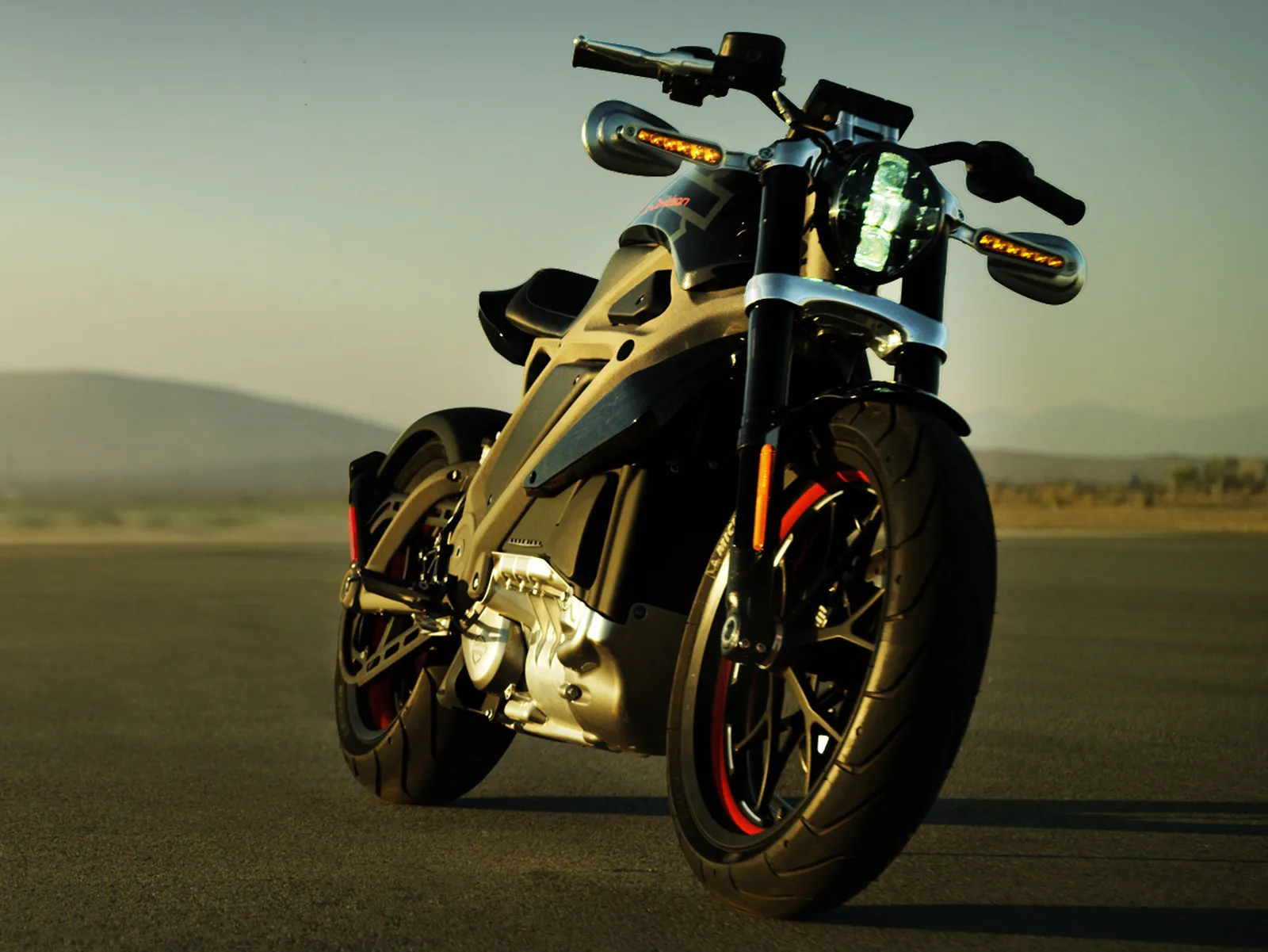
For years, the biggest problem with the LiveWire ONE was not speed, style, or the badge on the tank. It was that the electric motorcycle asked buyers to pay premium money before most riders had built daily habits around charging. That changes the whole conversation. The bike still has the same loud absence of exhaust, the same instant shove off the line, and the same split reaction from old-school Harley fans. But a lower asking price makes it easier for curious riders to stop treating it like a museum piece and start judging it like a machine they might park in their own garage. Fresh interest around the model fits a wider consumer product news cycle where buyers wait for a price reset before taking a bold purchase seriously. LiveWire now lists the ONE at $16,499, with a 146-mile city range, three-second 0 to 60 mph time, DC fast charging in 60 minutes, and a 15.4 kWh battery, which puts the new value story in plain view.
Why the Electric Motorcycle Price Change Matters Now
Price changes do not work by magic. A lower sticker can bring attention, but riders still ask a harder question: does this bike fit my life better than the gas machine I already understand? The LiveWire ONE sits in that awkward but exciting middle. It is not a cheap commuter. It is not a cross-country touring rig. It is a fast urban and suburban ride trying to win over Americans who love motorcycles but do not want to become test pilots for every new idea.
The timing matters because riders have become more price-sensitive across big toys. Higher insurance quotes, dealer fees, gear costs, and household bills make a premium bike feel like a debate at the kitchen table. A price reset does not turn the ONE into an impulse buy. It turns it into a bike that can survive a practical conversation.
The old price made curiosity feel expensive
The LiveWire ONE launched in 2021 at $21,999 under the new LiveWire brand, after Harley-Davidson moved the machine into a separate EV identity. At that level, the bike was competing not only with other battery bikes but also with premium gas motorcycles, used touring machines, and the emotional weight of the Harley name. A rider in Phoenix or Dallas could walk into a showroom and ask a fair question: why pay that much for a bike that changes how I plan every longer ride?
That was the hidden drag. Many riders were not rejecting the bike itself. They were rejecting the risk. A higher LiveWire ONE price made the unknown parts feel bigger: battery aging, charging habits, resale value, insurance, and whether friends on V-twins would roast them at the first weekend meet. Drop the entry cost, and those concerns do not disappear. They shrink enough for a test ride to matter.
There is also pride involved, and motorcycle brands ignore that at their own cost. A buyer may accept being an early adopter, but nobody wants to feel like the person who paid extra to explain the product to strangers. A sharper price tells the shopper that the brand is carrying more of the burden. That matters before a helmet ever goes on.
EV motorcycle buyers now have a reason to compare again
EV motorcycle buyers tend to be more patient than car shoppers. They read forums. They watch range tests. They look at used listings and wait for the brand to prove it will stay in the fight. LiveWire’s 2026 first-quarter report gives that waiting crowd something to notice: the company said segment unit sales rose to 91 from 33 a year earlier, while segment revenue rose to $1.4 million from $0.4 million. That is still a small base, but the direction is worth reading.
The counterintuitive part is that a price cut can make a premium product feel more serious, not less. When a brand keeps a stubborn price while demand stays thin, buyers sense denial. When it adjusts, the brand looks more willing to meet the market. That matters in places like Southern California, Austin, Denver, and South Florida, where short daily rides, home charging, and warm riding seasons can make the ONE feel less strange.
A lower price also invites comparisons that used to feel unfair. A shopper can now put the ONE against a lightly used sport bike, a new middleweight naked, or a secondhand touring machine and ask what kind of riding they do most. That is the right question. The old debate was about ideology. The better debate is about Tuesday, Saturday, and the miles between them.
What Buyers Are Actually Getting for the New Money
A lower price only helps if the machine still feels special after the honeymoon ride. The LiveWire ONE has always had one advantage that spec sheets struggle to explain: it turns normal city gaps into quick, quiet bursts. No clutch. No heat baking your right leg at a red light. No waiting for the engine to climb into its happy place. Twist, move, settle back down. That rhythm suits American traffic better than many riders expect.
This is why the bike should not be judged like a science project. Judge it like a ride. Does it make a work commute less stale? Does it turn a late-night run across town into something you look forward to? Does the silence make the speed feel cleaner or colder? Those answers will tell a shopper more than any brand slogan.
Harley-Davidson LiveWire performance still has bite
The Harley-Davidson LiveWire story is not only about clean transport. The ONE uses the Revelation powertrain, listed by LiveWire with 100 horsepower and 86 ft-lbs of torque, which explains why the first ride can feel odd in the best way. It moves with the calm violence of an elevator cable pulling a bike forward. There is no dramatic build. The push arrives early and stays smooth.
That smoothness can fool new riders. A gas bike announces trouble with noise. The ONE does not give the same warning. In a tight merge on I-95 near Miami or a short on-ramp outside Chicago, the bike can reach serious speed before your brain has filed the moment. This is where rider maturity matters. The machine feels simple, but it is not soft.
The best part may be the lack of theater. Some riders will miss the rumble, and that is fair. Others will find the quiet addictive because it moves the focus to road texture, wind, traffic, and body position. After a week, that can feel less like a missing soundtrack and more like a new kind of concentration.
Range numbers matter less than your weekly loop
The official city range gives shoppers an easy headline, but the better test is duller: map your normal week. Work. Gym. Coffee. Grocery run. A Saturday loop to a friend’s place. For many riders near Atlanta, San Diego, or Tampa, that pattern may fit without drama. For riders who think every Sunday should include 240 miles and no planning, the ONE still asks for compromise.
That is not a defect. It is a use case. Pickup owners do not all tow horse trailers, and motorcycle owners do not all ride across three states before lunch. The non-obvious insight is that the LiveWire ONE may work best for the rider who already owns or has access to another vehicle. As a second bike, it stops trying to be everything. It becomes the machine you grab when you want a sharp ride without fuel stops, engine heat, or warm-up rituals.
A rider should also think about weather, not only mileage. Cold mornings, highway speeds, hills, and aggressive throttle use can all eat range faster than a relaxed city route. That does not make the bike weak. It means the buyer needs to plan around real riding instead of showroom math. The rider who knows their loop will enjoy the ONE more than the rider who buys on a dream route.
The Ownership Math Still Needs a Clear-Eyed Look
The discount gets attention, but ownership is where the decision gets personal. Some riders will save on gas and routine engine service. Others will spend more than expected on charging setup, gear, insurance, or depreciation if the market shifts again. The smart move is to stop asking whether battery bikes are “the future” and ask whether this one makes sense for your roads, garage, and riding mood.
There is no shame in doing the boring math before the fun ride. In fact, that is where good motorcycle buys are made. A rider who knows monthly payment, insurance, tire cost, home charging access, and likely resale range walks into the dealer with a calmer head. The bike can still stir emotion. It should not be allowed to write the whole check.
Charging is easy at home and less easy in the wild
LiveWire says Level 1 charging on the ONE takes 6 hours from 20 to 80 percent and 11 hours from 0 to 100 percent. The brand also says the model is not compatible with Level 2 charging, but it can use DC fast charging. That detail matters because many public EV stations Americans see at shopping centers are Level 2, which may not help this bike the way a new buyer assumes.
For a rider with a garage outlet and a predictable commute, overnight charging can be painless. For an apartment renter in Queens or a condo owner in Nashville without assigned charging, it can become a weekly chore. That is the split. The ONE rewards routine. It punishes wishful thinking. Before buying, a rider should check the charger map near home, near work, and near the roads they ride for fun.
A good test is simple: pretend the bike is already yours for one week. Where would you plug in on Monday? What if you forget? What if rain changes your route? What if your favorite weekend road ends near a town with no useful fast charger? If those answers feel easy, the ONE moves closer to sense. If they feel like a scavenger hunt, wait.
The lower LiveWire ONE price does not erase resale questions
A lower LiveWire ONE price helps new buyers, but it can unsettle the used market. That is the trade. When a brand resets the cost of entry, older listings can look exposed. A buyer may get a better deal, while a recent owner may feel the floor move under them. This is not unique to LiveWire. The EV car market has lived through the same mood swings, especially when incentives and factory discounts moved faster than old pricing guides.
The practical answer is to buy for use, not fantasy equity. If you ride the bike three or four days a week, the value shows up in smiles, time saved, and fewer gas-station errands. If you buy it as a rare asset that should hold money like a collectible, you may be disappointed. A clean pre-purchase plan helps too: price insurance before signing, compare dealer fees, ask about battery warranty terms, and read a motorcycle buying checklist before emotion takes the handlebars.
Depreciation sounds dry until it becomes personal. A $3,000 swing in used value can erase years of small fuel savings. That is why shoppers should not treat lower operating cost as the whole story. The ONE makes the strongest case when it replaces miles you already ride, not when it sits under a cover as proof that you bought into a trend.
What This Move Says About Harley-Davidson LiveWire and the EV Buyer
The most interesting part of the price move is not the discount itself. It is what the discount admits. Harley-Davidson LiveWire has learned that heritage does not remove buyer friction. A famous family name can open the door, but a rider still has to picture Tuesday morning ownership. That means the brand has to sell confidence, not only acceleration.
This is a healthier place for the market. For years, plug-in bikes were sold as if emotion and engineering alone could beat habit. Habit is stronger than that. Gas stations are everywhere. Service routines are familiar. Sound carries meaning. A lower price does not defeat those forces, but it gives a curious rider a reason to test their own assumptions.
The badge brings attention, but trust has to be earned
Harley-Davidson LiveWire carries a strange mix of advantages and baggage. The Harley connection gives the bike a story, dealer familiarity, and a place in American motorcycle culture. It also invites harsher judgment from riders who see battery power as a break from the sound, smell, and vibration they love. The ONE sits right in that argument, which may be why it draws more emotion than many cleaner-sheet EV machines.
Yet younger riders and tech-friendly commuters may not care about that old fight. They may care that the bike is quick, quiet, and easier to ride in traffic. They may also care that it does not look like a toy. The smart path for LiveWire is not to win every Harley traditionalist. It is to win riders who want premium feel without pretending a gas engine is the only way a motorcycle can have character.
Trust will come from boring proof. Parts support. Clear warranty answers. Dealers that understand charging questions. Test rides that are easy to book. Owners who report normal lives with the bike, not endless workarounds. That kind of confidence is slower than a launch campaign, but it lasts longer.
The best buyer is specific, not everyone
EV motorcycle buyers who should look hardest at the ONE have a pattern. They ride often, but not always far. They have easy charging at home or work. They like fast response more than loud pipes. They are honest enough to know that weekend touring is not their main habit, even if they enjoy talking about it.
Here is a grounded example. A rider in Los Angeles with a 22-mile round-trip commute, garage access, and a favorite canyon loop within reach may get more use from the ONE than from a heavier touring bike that mostly waits for big weekends. A rider in rural Kansas with long distances, cold months, and few fast chargers should pause. Same bike. Different answer. That is why EV ownership cost planning matters before the test ride turns into a purchase order.
The brand’s challenge is to speak to that specific buyer without sounding defensive. Do not sell the ONE as a replacement for every big twin in America. Sell it as a sharp, premium, low-maintenance ride for people whose daily miles match its strengths. That honesty would do more for LiveWire than another round of vague future talk.
Conclusion
The price reset gives the LiveWire ONE the one thing it needed most: a fairer hearing. It was never slow, never dull, and never short on brand conversation. The problem was that many American riders saw the cost first and the ride second. Now the electric motorcycle has a better chance to reverse that order. A serious shopper can look at the speed, charging limits, city range, and daily comfort with less sticker shock clouding the decision. The right buyer still needs a charger plan, a realistic range picture, and safety gear that fits the speed of the machine; NHTSA’s official motorcycle safety guidance is a sensible place to start for helmet and road-awareness basics. The bigger lesson is simple: LiveWire does not need every rider to change their mind. It needs the right riders to stop laughing at the price and start booking test rides.
Frequently Asked Questions
How much is the LiveWire ONE in the United States now?
LiveWire currently lists the ONE at $16,499 before taxes, registration, destination charges, dealer fees, and options. Final out-the-door pricing can change by state and dealer, so buyers should request a written quote before comparing it with gas bikes or used listings.
Is the LiveWire ONE worth buying after the price drop?
It can be worth buying for riders with home charging, short daily routes, and a taste for fast throttle response. It makes less sense for riders who take frequent long highway trips or depend on public charging in areas with weak DC fast-charge access.
What kind of rider is the ONE best suited for?
The best fit is a rider who wants a premium commuter, weekend city bike, or fast second machine. It suits people who ride often within a familiar radius and care more about instant response than exhaust sound or long-distance touring range.
How far can the bike go on one charge?
LiveWire lists 146 miles of city range for the ONE, but real-world distance depends on speed, weather, rider weight, terrain, and throttle use. Highway riding usually drains a battery faster, so shoppers should plan around their own routes, not only the headline number.
Can the LiveWire ONE use public EV chargers?
It can use DC fast charging, but LiveWire says it is not compatible with Level 2 charging. That means buyers should check nearby station types before purchase, because many public chargers at offices, stores, and parking lots are Level 2 units.
How fast is the LiveWire ONE from 0 to 60 mph?
LiveWire lists a three-second 0 to 60 mph time. That puts the bike in serious performance territory for street riding. The quiet power delivery can feel calmer than it is, so new owners should build throttle discipline before riding hard in traffic.
Does the price drop hurt used LiveWire values?
It can pressure used prices because shoppers compare pre-owned bikes against the lower new-bike cost. That may help bargain hunters, but it can frustrate recent owners. Anyone buying now should focus on use value instead of assuming strong resale.
Should first-time riders buy this bike?
Most first-time riders should be careful. The controls are simple, but the acceleration is strong and arrives fast. A rider safety course, proper protective gear, and time on lower-powered machines can build better habits before stepping into this level of performance.