

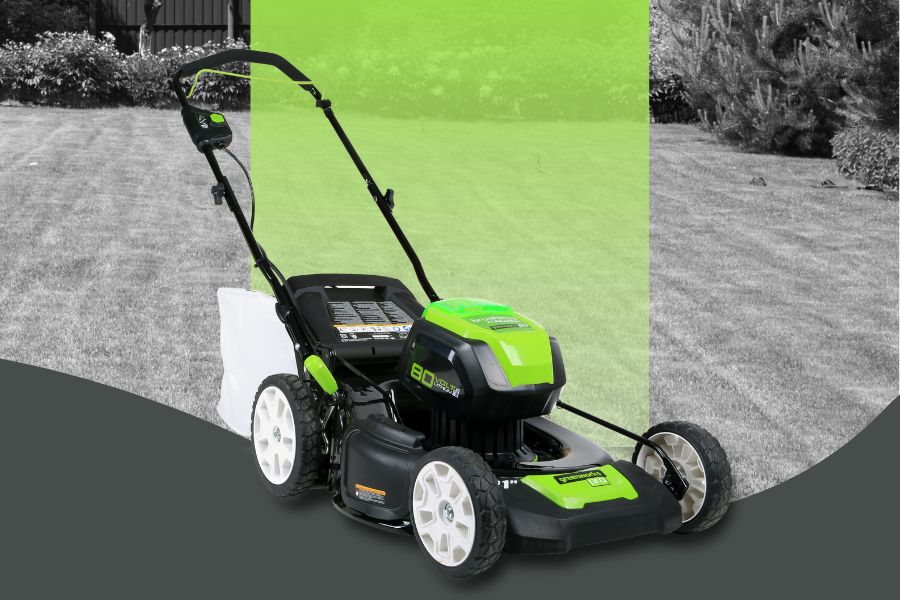
GreenWorks 80V Lawn Mower Becoming Best Selling Battery Powered Yard Tool
American yards are changing because homeowners are tired of small engine drama. The 80V Lawn Mower sits in that sweet spot between gas-like confidence and weekend-friendly convenience, which explains why shoppers are paying attention before peak mowing season. It promises the things many U.S. homeowners now want: push-button starting, less noise, no gas cans, and enough runtime for a normal suburban lot. Greenworks lists its 21-inch Gen 2 cordless model for up to half an acre, up to 40 minutes of runtime with the included battery, a 60-minute recharge time, and a 4-in-1 cutting system.
That mix matters. A mower is not a toy purchase. It has to work on hot Saturdays, after rain, around fences, and across uneven patches that never grow the same way twice. For homeowners following seasonal product coverage, the rise of a battery powered yard tool like this says something larger about the market: people are not buying “green” gear only for ideals. They are buying it because the old routine feels heavier than it needs to feel.
Why the 80V Lawn Mower Is Pulling Gas Holdouts Into Battery Power
A lot of homeowners did not reject battery mowers because they hated clean tech. They rejected them because early cordless models felt weak, narrow, and nervous in tall grass. That memory still sits in the back of the garage. Greenworks is winning attention because its current 80-volt lineup speaks to that old fear first.
The switch starts with less hassle, not moral pressure
The best argument for a cordless lawn mower is not always air quality. It is the moment when you open the shed and skip the fuel check, oil check, primer bulb, choke, and pull cord. That sounds small until you have done it for ten summers.
A homeowner in Ohio with a quarter-acre lot may only mow once a week, yet the gas routine still owns space in the garage. There is the red fuel can by the wall, the smell after refilling, and the yearly question of whether old gas is causing a rough start. A battery model cuts that ritual down to charging, clipping in the pack, and folding the handle back out.
State environmental guidance also points out a practical benefit that homeowners feel right away: battery and corded electric yard equipment produce no exhaust at the point of use and do not need gas or oil to run. That is not abstract. It changes what your shed smells like in July.
Battery range now matches the average American yard
The turning point is yard size. Many U.S. homes do not need a machine built for acreage. They need one that can handle a front lawn, a backyard, a side strip, and a messy patch near the mailbox without stopping halfway through.
Greenworks lists up to half an acre for the 21-inch Gen 2 push model, while retail listings for a self-propelled 21-inch model also describe up to half an acre and a 60-minute recharge. That puts the mower in the range many suburban buyers care about most.
The non-obvious part is this: runtime is not only about battery size. It is about how you mow. Wet grass, dull blades, fast walking, low deck height, and bagging all drain power faster. A careful homeowner who cuts dry grass at the right height may get a smoother result than someone with a stronger gas unit who waits too long and scalps the yard.
That is where a spring yard maintenance checklist can matter as much as the mower itself.
What Homeowners Notice After the First Cut
Specs get buyers to the product page. The first mow decides whether they trust the machine. With battery mowers, that first impression tends to come from sound, weight, and control more than raw power.
Quiet mowing changes the weekend schedule
Gas mowing announces itself to the block. A battery powered yard tool changes the social side of lawn care. You can mow earlier without feeling like you started a neighborhood argument. You can finish after dinner without the same harsh engine noise carrying across fences.
That does not mean silent. The blade still cuts. The motor still works. Yet the tone is different, and that difference matters in dense suburbs from New Jersey to Southern California, where homes sit close and weekends are already loud enough.
Popular Mechanics recently praised an 80-volt Greenworks cordless mower for feeling powerful while also being cleaner and quieter than gas, with a cut that handled dense grass in testing. The review also called out its 22-inch steel deck, adjustable self-propelled drive, and multiple cutting modes.
The deck and drive matter more than voltage
Voltage gets the headline, but deck design and drive feel decide the daily experience. A 21-inch or 22-inch steel deck covers ground at a familiar pace. Self-propelled drive helps on slopes, but too much drive can make a mower feel jumpy around beds and trees.
This is where buyers should slow down. A mower that feels strong in a straight line may annoy you near a curved walkway. A lighter push model may be easier for a small, flat lawn, while a self-propelled version may save your legs on a Georgia yard with a steady backyard incline.
The quiet truth is that the best electric mower is not always the most powerful one. It is the one that fits your grass, your storage space, your walking speed, and your patience. That is the difference between a smart buy and another expensive tool you avoid using.
The Battery Platform Is the Bigger Purchase
When people buy a cordless mower, they are also buying into a battery lane. That lane can either save money over time or trap them in a confusing shed full of packs and chargers.
One pack can shape the whole shed
Greenworks and retailers promote the 80-volt system as compatible with many tools, including blowers, trimmers, chainsaws, and other outdoor gear. A Best Buy listing for the 80-volt self-propelled mower notes compatibility with 75+ Greenworks 80V products.
That is why the mower may become the anchor purchase. Once you own the battery and charger, a trimmer or blower from the same voltage family becomes easier to justify. The real win is not owning a cordless lawn mower. The win is removing four small fuel problems from the garage at once.
For a homeowner in Texas, that could mean mowing on Saturday morning, trimming fence lines after lunch, and blowing clippings off the driveway with the same battery family. Fewer cords. Fewer cans. Fewer excuses.
Compatibility still needs a close look
Battery platforms sound simple until you shop across voltage lines. Greenworks sells tools in several voltage families, and batteries do not cross those lines. An 80-volt battery is not a match for a 60-volt tool simply because the brand name is the same.
That detail catches buyers who shop fast during sales. A mower deal may look great, but the better question is what you already own. If your garage is full of 40-volt tools, moving to 80 volts may still make sense, but it starts a second battery system.
The smarter move is to plan the shed before buying the mower. Think about the next two tools you may need, not the next two days. A strong cordless outdoor tool comparison can help homeowners avoid buying into a battery family that does not match their yard.
Where This Mower Wins, and Where Gas Still Has a Case
Battery mowers have improved, but they do not erase every reason gas machines still exist. The honest answer is more useful than brand hype: this Greenworks mower makes the most sense for people whose yards fit its strengths.
Best fit for suburban lawns under an acre
For many U.S. homeowners, the target buyer is clear. A lot size around one-quarter to one-half acre is the natural home for this kind of machine. It gives enough power for weekly mowing without dragging the buyer into the cost and storage needs of a riding mower.
The Greenworks model also speaks to people who store equipment in tight garages. The official product page lists EZ Fold handles that can reduce storage space by up to 70%, which matters when the mower shares a wall with bikes, bins, and a snow shovel.
The counterintuitive part is that smaller yards can be harder on mowers than open lawns. Lots of turns, gates, roots, and narrow side yards test handling more than power. A compact deck and easy start can feel better there than a loud gas unit with more muscle than the yard can use.
Thick spring growth exposes weak habits
Battery mowers punish procrastination. Let grass get high after a week of rain, drop the deck too low, and bag every pass, and even a strong machine will work harder. That is not a flaw as much as a reminder that cordless mowing rewards rhythm.
A gas mower may brute-force a neglected lawn, though it still leaves clumps and stress behind. A battery mower asks you to mow on time, sharpen the blade, and adjust height with the season. Those are good habits anyway.
Shoppers should also know the tradeoff on larger lots. Popular Mechanics found strong performance from a Greenworks 80-volt cordless model, but also noted runtime limits for bigger properties and the drawback of having a single charger in the tested setup.
Conclusion
The battery mower market has moved past the stage where homeowners bought one out of curiosity. Now the question is fit. Yard size, grass type, storage, battery family, and mowing habits decide whether this Greenworks model belongs in your garage.
The 80V Lawn Mower has become a serious choice because it removes the worst parts of gas mowing without asking most suburban homeowners to lower their expectations. It starts cleanly, stores neatly, and gives enough range for the lawns many Americans cut every week. That is a plain, useful kind of progress.
Gas still has a role for rough acreage, neglected fields, and owners who need long run sessions with no charging plan. For everyone else, the smarter move may be to stop treating battery power like a compromise. Check your yard size, compare the tool family, and buy the mower that makes you more likely to cut on time.
Frequently Asked Questions
Is the Greenworks 80V mower worth it for a half-acre yard?
Yes, it can be a strong fit for many half-acre lawns, especially when the grass is dry and cut on a regular schedule. Runtime varies with grass height, terrain, deck setting, and whether you mulch or bag clippings.
How long does the Greenworks 80V battery last while mowing?
Many listings place runtime around 40 to 45 minutes for common 21-inch models, though some kits and battery setups differ. Wet grass, thick spring growth, fast self-propel speed, and low cutting height can reduce that number.
Can a battery mower replace a gas mower?
Yes, for many suburban lawns. The key is matching the mower to the property. A cordless model works best when the yard is under an acre, mowing happens weekly, and the owner keeps the blade sharp.
Is an 80-volt mower better than a 40-volt mower?
Often, yes for thicker grass and larger suburban yards. Higher voltage can support stronger performance, but deck design, battery amp-hours, blade quality, and mower weight still matter. A well-matched 40-volt model may suit a small flat yard.
Does the Greenworks 80V system work with other Greenworks tools?
It works with many Greenworks 80-volt tools, but shoppers should stay within the same voltage family. An 80-volt battery should not be treated as a match for 40-volt or 60-volt tools.
What size lawn is best for this mower?
A quarter-acre to half-acre suburban lawn is the natural fit. Smaller yards may not need this much power, while larger properties may require extra batteries, a second charger, or a riding mower.
Is a cordless mower harder to maintain than gas?
No. It usually needs less routine care because there is no gasoline, oil change, spark plug, or carburetor issue. You still need to clean the deck, sharpen the blade, charge batteries, and store packs properly.
Should I buy the push or self-propelled version?
Choose push for small, flat yards where lower weight matters. Choose self-propelled for slopes, thicker lawns, or longer mowing sessions. The self-propelled drive adds comfort, but it can use more battery when run at higher speed.

Related Posts
Best Guest Post Services in UK for 2027

Between Logic And Instinct Better Decisions Begin To Form