
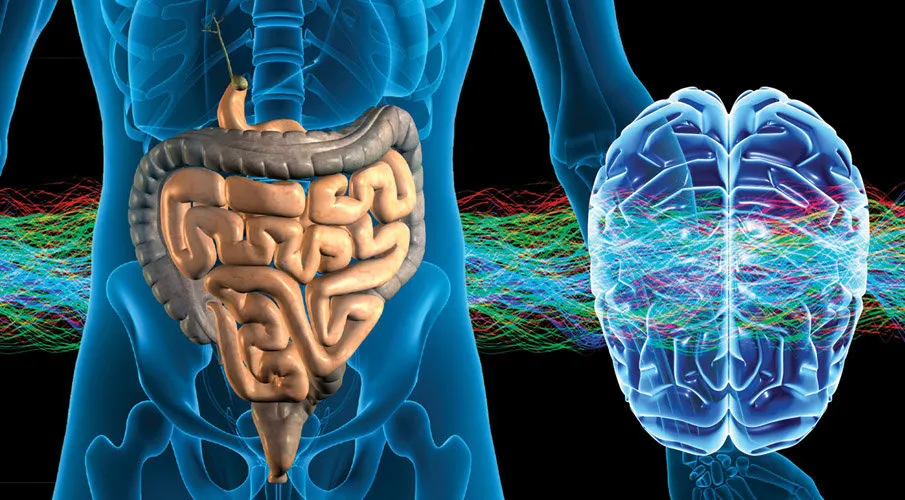
Between Logic And Instinct Better Decisions Begin To Form
Every day, people make countless decisions, ranging from simple choices about what to eat to life changing decisions involving careers, relationships, and finances. While some decisions are based entirely on facts and careful analysis, others are guided by instinct, experience, and intuition. The best outcomes often emerge when logic and instinct work together rather than compete against each other. By understanding how these two forces complement one another, individuals can make choices that are both practical and personally meaningful.
Logic provides structure. It encourages people to gather information, compare alternatives, and predict possible outcomes. Instinct, on the other hand, draws from personal experiences, emotional intelligence, and subconscious pattern recognition. Combining these approaches creates a balanced decision making process that is both thoughtful and adaptable.
Learning From Digital Systems Like Kaveri Online Services Portal
Modern digital platforms demonstrate how organized information supports effective decisions. Services such as kaveri online services portal simplify access to official records by presenting information in a structured and transparent manner. Instead of relying on assumptions, users can review verified data before taking action.
This principle applies to everyday life as well. When making an important decision, collecting accurate information first creates a solid foundation. Whether choosing a new job, planning an investment, or selecting an educational path, organized facts reduce uncertainty. Once reliable information is available, instinct can help interpret how each option aligns with personal values and long term goals.
Experience Shapes Intuition Over Time
Instinct is often misunderstood as a random feeling, but in reality it develops through accumulated experience. Professionals who have spent years in a particular field frequently recognize opportunities or risks almost immediately because their minds have processed similar situations before.
This explains why experienced leaders, doctors, athletes, and entrepreneurs often trust their intuition after reviewing essential facts. Their instincts are supported by years of observation and learning rather than guesswork. Developing this level of judgment requires continuous learning, reflection, and practical experience.
Cultural Awareness Through Kanya Sumangala Yojana In Hindi
Public welfare initiatives frequently require clear communication so that citizens from different backgrounds can understand important information. Resources explaining kanya sumangala yojana in Hindi illustrate how presenting information in a familiar language improves accessibility and confidence among users.
The same concept applies to personal decision making. People make better choices when they fully understand the information available to them. Rushing through unfamiliar details often leads to mistakes. Taking time to understand every aspect of a situation allows both logical analysis and intuitive understanding to work together more effectively.
Recognizing Patterns Before Making Decisions
One reason instinct becomes valuable is its ability to recognize patterns that may not be immediately obvious through logical analysis alone. Human brains naturally connect previous experiences with current situations. Sometimes these connections reveal opportunities that spreadsheets and statistics cannot fully explain.
However, instinct should never replace careful evaluation when major consequences are involved. Instead, it should serve as an additional perspective. Asking questions, reviewing evidence, and then considering personal feelings often results in decisions that are balanced and sustainable.
Organized Information Through Banglarbhumi Login
Land record management systems such as banglarbhumi login emphasize the importance of accessing authenticated information before completing official processes. Organized records help reduce confusion and improve confidence in administrative decisions.
Similarly, personal decisions become stronger when they are supported by verified facts. Before committing to a significant choice, reviewing available evidence ensures that emotions do not overshadow reality. Once the facts are clear, intuition can help determine which option feels most appropriate based on individual circumstances and priorities.
Building Confidence With Thoughtful Choices
Confidence does not come from making perfect decisions every time. Instead, it grows from knowing that each decision was approached carefully and honestly. Accepting that no outcome can be guaranteed encourages flexibility and continuous improvement.
People who combine logical thinking with instinct tend to recover more effectively from setbacks because they understand that every experience contributes valuable lessons for future choices. Reflection transforms both successes and failures into practical wisdom.
Practical Decision Making And Bhulekh Uttarakhand English
Government resources like bhulekh Uttarakhand English demonstrate how making information accessible helps users complete important tasks with greater accuracy and confidence. Clear documentation reduces uncertainty and enables better planning for future actions.
Personal decision making benefits from the same approach. Gathering accurate information, considering available options, evaluating risks, and listening to personal intuition create a balanced framework for solving problems. Whether making financial, professional, or personal decisions, combining logic with instinct leads to greater clarity and stronger long term results.
Conclusion
The strongest decisions rarely depend on logic alone or instinct alone. Instead, they emerge when careful analysis meets personal insight. Facts provide direction, while intuition offers perspective shaped by experience. Together, they create a thoughtful decision making process that is both intelligent and adaptable. As people continue to face new challenges in an increasingly complex world, developing the ability to balance evidence with intuition becomes an essential life skill. Between logic and instinct, better decisions truly begin to form, leading to greater confidence, wiser actions, and more meaningful outcomes.