Salomon X Ultra 4 Hiking Boot Now Available in Wide Width Sizes
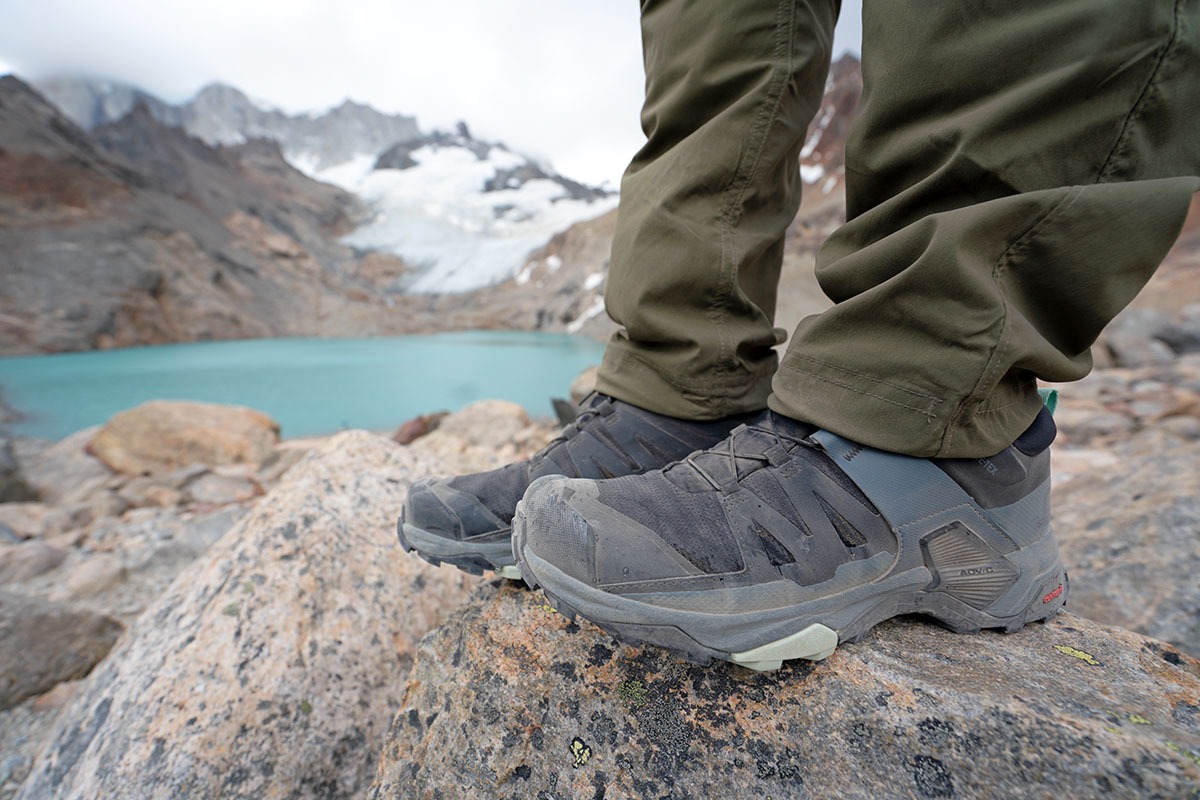
A boot can have fierce traction and still fail on the trail if it squeezes your toes by mile three. That is why the Salomon X Ultra 4 Hiking Boot Now Available in Wide Width Sizes headline matters for American hikers who like the speed of a light hiker but need a roomier forefoot. The X Ultra family has always lived in the middle ground between trail runner and boot: fast underfoot, grippy on loose dirt, protective enough for rocky day hikes. For readers who follow new outdoor gear release coverage through trail product updates, the fit story is the part worth watching, because comfort is what decides whether a boot becomes a weekend favorite or stays by the door. Salomon’s current U.S. product pages describe the X Ultra 4 Mid Gore-Tex as built for full-day hikes, mixed and alpine terrain, with an 11 mm drop, 15 oz listed unit weight, Gore-Tex, advancedCHASSIS, and All-Terrain contaGRIP features. The wider option does not change the whole idea of the boot. It changes who can wear it without fighting it.
Why Wide Width Sizes Change the Trail Feel
Fit is not a side note with hiking footwear. It is the first test. A boot that feels snug in a store can feel mean after two hours on a dusty switchback, because feet spread under load, socks add bulk, and downhill steps push toes forward. Room in the forefoot is not the same as sloppy space. The best fit holds the heel while letting the toes move enough to balance, brake, and recover. That matters more for hikers who have bunions, broad forefeet, high-volume feet, or a history of numb toes after long descents. The goal is not a roomy slipper. It is a locked-in trail tool that stops punishing the front of the foot.
Toe Room Matters More on the Descent
Most people judge fit while standing still. Trails do not work that way. The real test comes when you step down from a rock, lean into a grade, or cross a rooty slope after a rainstorm. Your toes need room to splay because that small movement helps you catch yourself before your ankle does all the work. On a descent, the foot also slides toward the front of the boot, even with good lacing. A toe box that felt tidy at the trailhead can turn into a clamp by the time the parking lot is below you.
This is where wide hiking boots can save a hike for people who have spent years blaming their socks, lacing, or break-in time. Sometimes the boot was never shaped for the foot. A broader forefoot can reduce side pressure near the pinky toe and big-toe joint, two hot spots that often show up before blisters do. That pressure is not a minor annoyance on trail. It changes stride, shortens steps, and can make hikers plant their feet too carefully on loose ground.
The non-obvious part is that more room can make a boot feel more precise, not less. When toes are cramped, you grip inside the shoe. That wastes energy. When the forefoot fits, the sole can do the gripping outside the shoe, which is the whole point of buying trail footwear with real tread.
The Best Fit Is Secure, Not Loose
A roomier boot still has to lock the heel. That is the line shoppers should not cross. If the heel lifts with each step, the boot can rub, drain energy, and make steep climbs feel clumsy. You want extra forefoot space paired with midfoot hold, not a shoe that feels one size too large.
Salomon hiking boots tend to feel more athletic than old leather backpacking boots, so the fit conversation is different. You are not buying a stiff box that takes months to soften. You are buying a lighter platform that should feel close to trail-ready early, though every hiker still needs a short local test before a bigger trip.
Try the boot late in the day, with the socks you plan to wear. Walk down stairs if you are at home. On a store ramp, stop hard and check whether your toes hit the front. That small test tells you more than pacing across flat carpet.
What the X Ultra 4 Does Well on U.S. Trails
The appeal of the X Ultra line is not mystery. It is made for hikers who want speed without giving up grip and protection. That matters in the U.S., where a Saturday hike can mean gravel paths in Shenandoah, wet roots near the Great Smoky Mountains, dry ledges in Utah, or broken granite around Lake Tahoe. A heavy boot can feel safe at first, then tiring. A trail runner can feel free at first, then exposed. This boot aims for the space between those two moods. That middle space is growing because many hikers no longer separate fitness walking, travel, and trail days into different gear closets. They want one pair that can handle the local loop after work and a national-park trip in July. When a boot feels light enough for repeat use, it gets more miles, and more miles reveal whether the design is honest.
Trail-Runner Agility With Boot-Like Guardrails
The X Ultra 4 Mid Gore-Tex page describes the shoe as agile like a trail-running shoe while still offering stability, grip, and waterproof protection for technical terrain. Salomon also lists advancedCHASSIS for lateral support and mobility, chevron lugs for multi-directional grip, and All-Terrain contaGRIP for wet, dry, hard, or loose surfaces. Those details matter because the average hiker does not walk on one surface for long.
Think about a common Colorado day hike. The first mile may be packed dirt. Then come loose pebbles, a damp shaded corner, and a short scramble where your shoe edges against stone. A boot like this is not meant to replace mountaineering footwear. It is meant to keep the ordinary hard parts of a hike from feeling bigger than they are. That is also why the outsole matters more than many casual buyers think. Pretty uppers get attention online, but the sole decides how calm you feel when the trail turns messy.
The counterintuitive truth is that stiffness is not always your friend. A boot that bends enough at the right point can help you move naturally, especially on rolling terrain. Too much flex can feel weak under a pack, but too little can make every step feel like a negotiation.
Waterproof Protection Has a Tradeoff
Waterproof hiking shoes earn their keep when you hike in spring mud, wet grass, shallow puddles, or cold rain. Gore-Tex protection can keep a minor weather problem from becoming a cold-foot problem, and that can affect your whole pace. The National Park Service hiking safety guidance advises sturdy rubber-soled hiking boots with ankle support for dirt and gravel trails, and it also points hikers toward moisture-wicking wool or synthetic socks for longer hikes.
Still, waterproofing is not magic. In hot parts of Arizona, Texas, or Southern California, a waterproof liner may feel warmer than a breezy non-waterproof shoe. If water comes over the collar, it can also be slow to leave. That is not a flaw as much as a bargain you choose. A morning creek crossing, wet meadow, or cold shoulder-season hike may make the bargain feel wise. A dry desert loop in August may make it feel like too much shoe.
This is why fit and climate belong in the same conversation. Wide hiking boots with waterproof liners can feel better for broad feet, but they still need the right sock and trail plan. A thick sock may solve one issue and create another. A thin merino blend may give enough cushion without stealing toe space.
How to Choose the Right Fit Before You Buy
A wider option gives more people a fair shot at the X Ultra 4, but it does not remove the need for fitting discipline. Online shoppers should slow down here. Product names can look similar, and retailer listings may mix low-cut shoes, mid-cut boots, Gore-Tex versions, older colors, and newer X Ultra models. Salomon’s current U.S. X Ultra collection page lists newer X Ultra 5 wide models, including low and mid Gore-Tex options, while X Ultra 4 product pages may show store-finder status rather than direct online sale. That means the smartest buyer checks the exact model, width, size, return policy, and color before paying. This is not picky behavior. It is the difference between buying the boot you meant to buy and buying a similar-looking pair that solves the wrong problem.
Match the Boot to Socks, Swelling, and Terrain
Your foot is not a fixed object. It changes during a hike. Heat, mileage, pack weight, salt intake, and downhill force can all make a boot feel smaller than it did at breakfast. That is why a fit that seems “perfect” at 8 a.m. can feel tight after lunch. The issue shows up faster for hikers who drive several hours to a trailhead, because feet can already be a little swollen before the first step.
For most hikers, the right test is boring, which is why it works. Wear your trail socks, lace the boot with normal tension, walk for 15 minutes, then stand on a decline. Your heel should stay planted, your midfoot should feel held, and your toes should not crash forward.
Use a local shakedown before a trip to Yosemite, Acadia, Zion, or the White Mountains. Bring the socks you expect to wear and note any hot spot after the first hour. Our day hiking gear checklist is a useful place to pair footwear choices with water, layers, blister care, and trail tools before the boot gets blamed for every problem.
Check Stock, Version, and Return Terms
The X Ultra name covers more than one shoe. A listing may say low, mid, Gore-Tex, leather, men, women, or wide. Small wording differences matter. A low shoe can feel quicker but gives less collar coverage. A mid boot can feel more protective around rocky steps. A leather version may break in differently than a textile-heavy version. Color names can add one more layer of confusion because retailers sometimes keep older colors after official pages shift to newer lines.
For U.S. buyers, the safer move is to compare the product code or official product naming against the retailer listing. If a page says wide, confirm whether that means the actual width option or a seller’s loose description. Shoes get mislabeled in marketplaces. Your feet pay for that mistake.
Return terms matter with footwear because a boot cannot be judged from a photo. Look for indoor try-on rules and clean-floor testing policies. If you are between sizes, ordering two and returning one may be cheaper than forcing the wrong pair through a season of blisters.
Where This Boot Makes the Most Sense
No hiking boot is the right answer for every trail. The X Ultra 4 makes the strongest case for hikers who move at a brisk pace, carry a light to moderate pack, and want enough structure for uneven ground without the feel of a classic backpacking boot. That is a large group. It includes weekend hikers, travelers visiting national parks, dog owners on rough local trails, and people who prefer a fitness-hike rhythm over slow trekking. It also includes shoppers who do not want a closet full of footwear for every possible outing. They want one pair that feels trustworthy without feeling overbuilt. That is why this model has a practical kind of appeal: it is less about owning the toughest boot on the shelf and more about having a boot you will reach for without arguing with yourself.
Day Hikers Who Move Fast Get the Sweet Spot
This boot’s sweet spot is the American day hike that asks for grip, speed, and some weather protection. A North Carolina hiker on wet leaf litter, a Washington hiker crossing root webs, and a Pennsylvania hiker on rocky state-park loops are all dealing with different trails but the same demand: stay sure-footed without dragging weight.
Waterproof hiking shoes can be overkill on dry summer paths, but they make sense when the forecast is mixed or the trail holds moisture. The X Ultra 4’s appeal grows when the day has small surprises, not when the route is a flat paved loop. That is why buyers should think in trail scenes, not product labels. A damp boardwalk, a shaded creek bed, or a sandy rock shelf will tell you more about your needs than a spec chart alone.
A second non-obvious point: ankle height does not replace foot strength or attention. A mid-cut collar can add protection and confidence, but it does not give you permission to rush through loose rock. Good footwear helps. It does not hike for you.
When a Heavier Boot Still Wins
There are trips where a burlier boot is still the better call. If you are carrying a heavy pack for several days, stepping through snowfields, traveling off trail, or crossing sharp scree all afternoon, a stiffer backpacking boot may make more sense. The X Ultra 4 is made for agile hiking, not for pretending a weekend hiker is on an expedition. That is not a criticism. It is a way to keep the boot in its lane.
That honesty helps the buyer. Salomon hiking boots are popular because they often feel fast and protective at the same time, but “protective” has degrees. For long backpacking loads, some hikers need a thicker midsole, a tougher upper, and a more rigid platform.
Think of the wide option as a fit door, not a terrain upgrade. It lets more feet into the same performance idea. It does not turn a light hiker into a full backpacking tank. For many U.S. trails, that is a strength, because the extra tank was never needed.
Conclusion
The biggest footwear mistake is buying for the trail you imagine instead of the foot you actually have. A roomier X Ultra 4 option speaks to hikers who like Salomon’s fast, grippy feel but have felt boxed out by the narrow side of the category. It gives broad-footed buyers a better chance to enjoy the platform without sizing up into heel slip or toe bang. That is the real value of Wide Width Sizes: they make proper fit less of a compromise and more of a choice. Still, the smart move is to verify the exact model, test it indoors, and match it to your terrain rather than chasing the name alone. Pair the boot with the right socks, break it in on a local loop, and keep your expectations honest. For more fit comparisons before you choose, see our waterproof hiking footwear guide. Buy the pair that lets you forget your feet and pay attention to the trail ahead of you.
Frequently Asked Questions
How should the Salomon X Ultra 4 fit for wide feet?
It should feel secure through the heel and midfoot while giving your toes enough room to spread. The front should not pinch the outer toes, and your toes should not hit the end on downhill steps. Test with real hiking socks, not dress socks.
Is the Salomon X Ultra 4 good for day hiking in U.S. national parks?
Yes, it can suit many day hikes with dirt, gravel, roots, and rocky sections. It is a better match for active hikers who want light movement with trail protection. For snow, heavy packs, or off-trail travel, a sturdier backpacking boot may fit the job better.
Are wide hiking boots better than sizing up?
Often, yes. Sizing up can create heel slip while solving toe pressure. A true wide fit adds room where broad feet need it without stretching the whole boot length. That can improve comfort and control at the same time.
Do waterproof hiking shoes feel hotter in summer?
They can. A waterproof liner helps in rain, mud, and wet grass, but it may feel warmer than a breathable non-waterproof shoe in hot, dry regions. Match the boot to your climate, not only to a feature list.
Can I wear the X Ultra 4 for backpacking?
It can work for light overnight trips if your pack is modest and the terrain is not harsh. For multi-day loads, rocky off-trail routes, or snow travel, many hikers will prefer a heavier boot with more underfoot structure.
What socks work best with a wider hiking boot?
Moisture-wicking wool or synthetic socks are the safest choice for most hikes. Pick thickness based on fit. A sock that is too thick can steal the room you wanted from the wider shape and create pressure at the forefoot.
Should I choose the low or mid version?
Choose low if you want more freedom and mostly hike maintained trails. Choose mid if you want extra collar coverage around rocks, roots, mud, or uneven steps. The mid version may also feel better when carrying a light day pack.
What should I check before ordering online?
Check the exact model name, width label, size chart, color, return policy, and seller credibility. Product names in marketplaces can be messy. Try the boots indoors first so you can return them clean if the fit is wrong.