

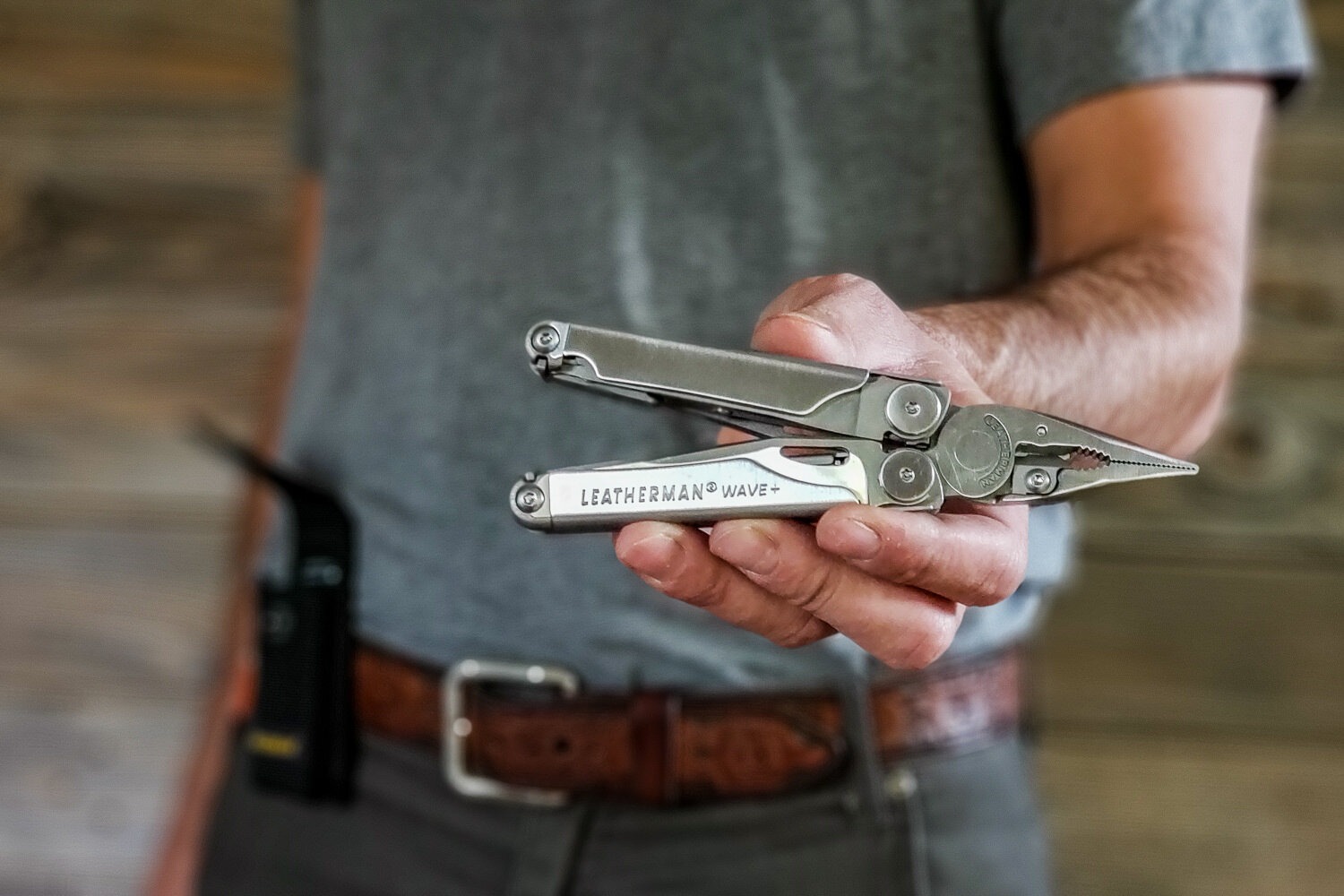
Leatherman Wave Plus Multi Tool Hitting Lowest Price in Brand History
A good tool sale can make even patient shoppers move fast, but this one deserves a calm look before anyone clicks buy. The Leatherman Wave Plus is getting fresh attention because current U.S. pricing has dropped well below a common list price, and that puts a trusted full-size tool back into a range many homeowners, drivers, campers, and gift buyers can defend. One Amazon listing shows $103.95 against a $129.95 list price, while public price-history data for a related Wave+ listing shows an older Amazon low of $81.38 from 2018, so the safest reading is this: the current Wave Plus deal is strong, but “lowest in brand history” should be treated as a shopping hook unless a retailer proves it across channels. For readers who track current product news before buying, the real question is better than the headline. Does this sale make sense for the way Americans use a multitool at home, in the truck, on the job, or on weekend trips?
What the Leatherman Wave Plus Price Drop Means for U.S. Buyers
The discount matters because this is not a gadget people replace every season. A full-size multitool sits in a glove box, work drawer, tool pouch, or camping bin for years. That changes the math. Saving twenty or thirty dollars is nice, but the better test is whether the tool earns its spot when the sink trap leaks, the battery terminal loosens, or a tent stake bends at dusk. A discount fades fast; a tool either keeps proving itself or it does not.
Why a low sale price is not the same as the lowest price ever
Retail headlines love the phrase “lowest price,” yet price tracking is messier than it sounds. One seller may discount the stainless version, another may discount black oxide, and a third may bundle a sheath or bit kit. Those are not always the same offer. A checkout coupon, store card credit, or limited warehouse price can also make one shopper’s deal look better than the public listing.
That is why a buyer should separate two ideas. A current sale can be worth taking even if it is not the lowest public price ever recorded. If a tool sits near $130 in common retail memory and you see it around $104 from a major seller, that is a meaningful cut. It may not be historic across every channel, but it can still be the right buy today.
There is also a quiet trap here. Waiting for a mythical low can cost more than it saves. If you need an everyday carry tool before a move, road trip, storm season, or home project, the extra ten dollars you might save later may not matter as much as having the tool when the problem shows up. The best deal is often the one that meets need, trust, and timing in the same place.
How to judge the deal before the stock dries up
Start with the seller. A lower price from a weak third-party listing is not the same as a discount from a known retailer or the brand’s own channel. Check who ships it, whether returns are simple, and whether the listing clearly identifies the model. Counterfeit and gray-market worries are less common with a mainstream tool than with luxury gear, but sloppy listings still create headaches.
Next, check what is in the box. Some listings include a sheath. Some do not. The official product page notes that a sheath can be sold separately, so two prices may not be equal even when the headline model name looks the same. That small detail can change the real value if you plan to carry it on a belt at work or keep it in a hiking pack.
A good rule: buy the tool, not the discount. If you wanted this model before the sale, the price drop helps. If you only want it because a countdown clock is flashing, pause. There are cheaper plier-based tools for a junk drawer. This one makes the most sense when you need a reliable full-size setup that can cover household fixes, yard tasks, car issues, and outdoor use without sending you back to the garage.
Why This 18-in-1 Multitool Still Holds Buyer Attention
A sale gets people in the door, but design keeps the tool in use. The appeal here is not mystery. The Wave family became a reference point because it hits a rare middle ground: strong enough for actual work, small enough to carry without resenting it. That balance is hard to copy. Many bargain tools look fine open on a table and feel clumsy when you need to turn a screw under a cabinet.
The tool mix fits real American problems
The official product page lists 18 tools, outside-accessible features, one-hand use on selected tools, locking implements, replaceable wire cutters, a 4-inch closed length, and an 8.5-ounce weight. That spec sheet matters because it lines up with normal U.S. use cases. A homeowner in Ohio can cut packaging, tighten a loose hinge, pull a nail, and trim zip ties without hunting through three drawers.
The 18-in-1 multitool idea is easy to oversell, though. Nobody uses every implement every week. The hidden value is not that all tools see equal duty. It is that the right odd tool is there on the one day you need it. The file may sit untouched for months, then save a fishing hook. The saw may feel extra until a backyard branch blocks a fence repair.
That is the non-obvious part. A multitool is not only a smaller toolbox. It is a friction remover. It stops a five-minute fix from becoming a 25-minute search for the right driver, blade, or pliers. In American homes where garages, rentals, apartments, and vehicles all split where tools live, that convenience can be the whole point. You are not buying every tool for equal use. You are buying fewer dead ends when a small job turns weird.
Why one-hand access changes more than speed
Outside-accessible blades and files sound like a speed feature. They are, but the deeper benefit is control. When you are holding a wire, rope, hose clamp, or box flap with one hand, the ability to open a tool with the other keeps the job from turning awkward. That matters more in a driveway or campsite than it does in a clean product photo.
Think about a dad cutting heavy plastic ties off a kid’s new bike on a Saturday morning. He may not need a garage-grade cutter. He needs something close, safe, and firm enough to finish the job before the bike tips over. The same logic applies when an RV owner trims a frayed strap or a renter tightens a loose shower handle. In both cases, the tool earns trust by being ready before the bigger kit comes out.
The Wave Plus deal feels stronger because the tool is made for those small moments. It is not a showpiece. It is a problem-solver that spends most days waiting. That waiting time is not waste if the tool works when the drawer full of loose screwdrivers does not. A tool you can open with one hand also reduces the urge to use the wrong object, like a kitchen knife as a pry tool or car key as a scraper.
Where the Sale Makes Sense and Where It Does Not
Price should never erase fit. A discounted multitool can still be wrong for your life. The smartest shoppers are not asking whether it is famous. They are asking where it will live, how often it will be reached, and whether its weight and blades fit their routine. This is where the sale story becomes personal.
Good fits: trucks, homes, workshops, and camp bins
For a truck or SUV, this tool makes plain sense. It can live in the center console with a flashlight, tire gauge, tape, and gloves. When a license plate screw strips, a cooler latch bends, or a child’s toy needs a quick battery swap, you are not stuck borrowing a tool from a gas station clerk. That kind of small rescue is not glamorous, but it is the reason many owners keep a multitool within arm’s reach. Rural drivers may value it even more, since the nearest hardware aisle might be twenty minutes away instead of around the corner.
At home, it works best as a fast-reach item. Keep full tools for serious repairs, but place this near the kitchen junk drawer, basement steps, or laundry shelf. A full-size driver still wins for long furniture assembly. A dedicated wire stripper still wins for repeated electrical work. Yet for mixed tasks, a compact full-size tool can be the thing you grab first. The habit matters more than the spec sheet.
Campers and anglers also get strong value. A blade, pliers, scissors, file, and saw in one pocket can cover small fixes around a tent, tackle box, cooler, or camp kitchen. Pair it with weekend camping gear tips and a small headlamp, and the kit becomes more useful than many bulky survival packs sold online. Outdoor gear should reduce decisions, not add another pouch you forget at home. A compact tool that handles five camp chores can beat a larger kit that stays in the garage because packing it felt like work.
Poor fits: carry-on travel, ultralight pockets, and single-task work
The sale is weaker if you plan to fly with it in a carry-on. TSA’s official multi-tool guidance says multipurpose tools with knives of any length are prohibited in carry-on bags and should go in checked baggage. That makes it a poor airport pocket item, no matter how handy it feels at home. For frequent flyers who avoid checked bags, a bladeless travel tool is a better match.
It is also not ideal for people who hate weight in their pocket. At 8.5 ounces, it is portable, not featherlight. Belt carry, bag carry, truck carry, and drawer carry all make sense. Gym shorts carry does not. A slim Swiss-style tool or tiny keychain tool may serve better when comfort beats plier strength. Buying a heavier everyday carry tool because it is on sale can turn a smart discount into a drawer ornament.
The third poor fit is repeated single-task work. If you cut wire all day, buy dedicated cutters. If you turn screws for hours, buy a driver with a real handle. A multitool shines when the problem keeps changing. It becomes less pleasant when one motion repeats for an afternoon. The honest limit makes the tool more attractive, not less, because it tells you where it belongs.
How to Buy Without Getting Pulled Into Deal Hype
A discount creates pressure. That is the whole design of sale language. The better move is to slow the choice down without missing a fair price. You do not need a spreadsheet. You need a short buying check that catches the problems most shoppers notice too late.
Compare the total kit, not only the checkout number
Look at the tool finish first. Stainless steel hides wear better for many owners, while black oxide has a darker look but may show rub marks from use. Neither choice is wrong. The wrong choice is paying extra for a finish you do not care about. If the tool will live in a truck tray with coins and keys, cosmetic wear should not decide the purchase. Finish matters most when the tool is also a gift, because the first impression is part of the value.
Then compare the sheath, bit kit, pocket clip, and warranty path. A listing that is ten dollars cheaper may lose its edge if it skips a sheath you need. A bundle may be worth more if you were already planning to buy bits. Leatherman says its tools are backed by a 25-year warranty, with a longer term for Insider members, which adds real weight when you plan to keep the item for years.
Use price history as a guardrail, not a command. If the current price is near a normal sale range, buy when the seller is solid and the kit matches your use. If the listing leans on wild “brand history” language but the seller is unknown, walk away. No discount is good if the return process turns into a week of emails. A smart shopper protects time as much as money.
Decide whether this is a gift or a working tool
As a gift, this model has broad appeal because it feels useful even to someone who has no hobby label. You do not need to call the recipient a camper, mechanic, or prepper. Many Americans know the moment when pliers, a blade, or scissors would have saved time. That makes it safer than a niche gadget that lives in a drawer after one weekend.
As a working tool, the bar is higher. Ask whether the person already owns a dedicated kit. A contractor may still appreciate it as backup, but it will not replace jobsite tools. A homeowner, property manager, boat owner, hunter, or college student moving into a first apartment may get more day-to-day value. The buyer with fewer tools often gets the bigger gain. That is why this type of sale often hits hardest with first apartment shoppers, new homeowners, and families building a practical emergency drawer.
This is also where an everyday carry tool becomes personal. Some people like having one item that solves half of the small problems around them. Others prefer to keep tools in fixed places. Neither habit is better. The right purchase fits the way the buyer already moves through the day. For more buying context, compare this with practical tool buying guides before you choose accessories.
Conclusion
The sale buzz is useful because it puts a proven full-size multitool back on the radar, but the headline should not do the thinking for you. Public listings show a strong current discount, while older price-tracker data keeps the “brand history” claim from being a clean fact across every channel. That does not make the deal weak. It makes the buyer’s job clearer.
The Leatherman Wave Plus makes sense when you want one durable tool for home fixes, truck storage, camping tasks, and gift giving. It makes less sense as an airport carry-on item, an ultralight pocket piece, or a replacement for dedicated trade tools. The best purchase is not the one with the loudest sale badge. It is the one you can place in a drawer, pack, console, or belt sheath and keep reaching for years. Check the seller, compare the kit, and buy only when the tool fits your real life. It should feel useful before the sale ends, not merely cheap while the banner is bright. That is how a sale turns into a smart purchase rather than another unopened box.
Frequently Asked Questions
How much is a good sale price for the Wave Plus?
A good sale price is usually one that sits well below the common list price from a trusted seller. Around the low $100 range can be appealing, but shoppers should compare current listings, bundled accessories, shipping, and return terms before calling it the best deal.
Is the Wave Plus deal worth it for homeowners?
Yes, it can be worth it for homeowners who handle small repairs, furniture fixes, yard tasks, and package cutting. It will not replace a full toolbox, but it can save time when you need pliers, scissors, a blade, or a driver nearby.
Can I bring this multitool on a plane in the United States?
No, not in carry-on baggage if it includes a knife blade. TSA guidance says multi-tools with knives of any length must go in checked bags. Travelers who fly with carry-on luggage only should choose a bladeless travel-safe tool instead.
What makes an 18-in-1 multitool useful day to day?
The value comes from having several common fixes covered in one compact item. You may not use every feature often, but the mix of pliers, blades, scissors, files, and drivers helps when small problems appear away from your main toolbox.
Is this a good Father’s Day or holiday gift?
Yes, it works well as a practical gift because it suits many lifestyles. Drivers, campers, homeowners, anglers, and new apartment renters can all use it. Add a sheath or bit kit if you want the gift to feel more complete.
Should I buy the stainless steel or black oxide version?
Stainless steel is a safe pick for most users because wear marks tend to blend in better. Black oxide has a darker, tactical look, but it may show rub from regular handling. Choose based on carry style, taste, and price.
Does a multitool replace regular tools?
No, it works better as a fast backup than a full replacement. Dedicated screwdrivers, cutters, and pliers are still better for long jobs. A multitool wins when you need one compact item for mixed, unexpected tasks.
What should I check before buying during a sale?
Check the seller, return policy, included sheath, finish, warranty path, and whether accessories are part of the price. A cheaper listing may not be better if it lacks the carry setup you need or comes from a seller you do not trust.

Related Posts
Best Guest Post Services in UK for 2027

Between Logic And Instinct Better Decisions Begin To Form