
Breville Oracle Touch Espresso Machine Going Viral After Coffee Influencer Review
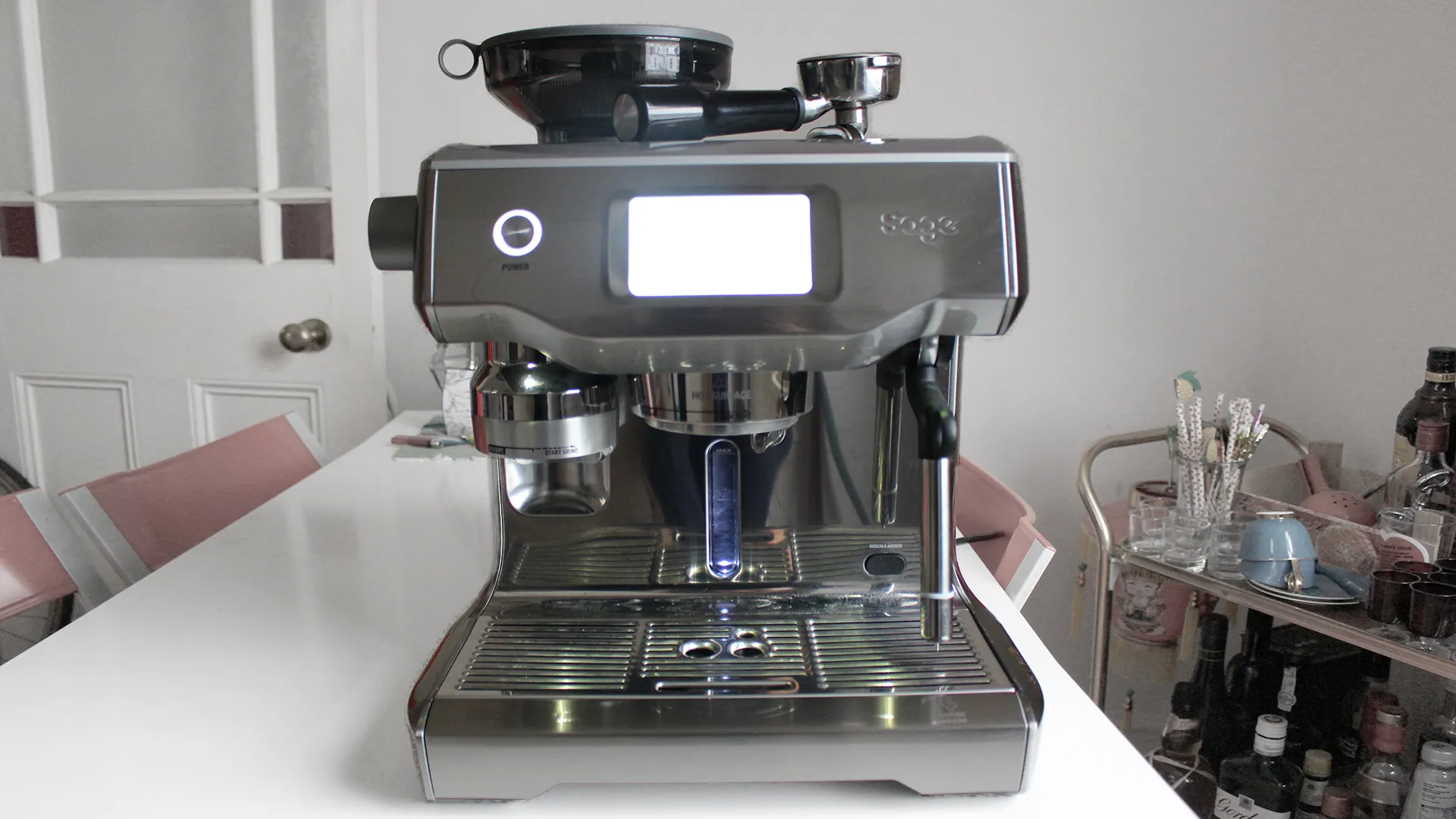
The machine people notice first is not always the one that makes the best daily coffee. The Breville Oracle Touch is getting attention because it sits in that rare middle lane: serious enough for picky espresso drinkers, yet calm enough for a rushed Tuesday morning. After a coffee influencer review pushes a machine into the feed, Americans usually ask the same thing fast: is this hype, or does it solve a real kitchen problem? This one has a better answer than most. It can grind, dose, tamp, pull shots, and texture milk with less hand-holding than a classic prosumer setup. That matters for anyone building a home coffee setup without turning the counter into a weekend hobby bench. For readers who track product buzz through consumer lifestyle coverage, the bigger story is not the viral clip. It is the shift behind it. People want café-style drinks at home, but they do not want a machine that punishes them for being tired, busy, or new.
Why the Breville Oracle Touch Feels Made for the New Home Barista
A good espresso machine has to win two fights at once. It has to make coffee taste better than a pod system, and it has to avoid making the owner feel foolish. That second part is where many machines lose normal people. A coffee influencer review can make tamping, dosing, and steaming look smooth, but the first messy morning tells the truth.
Automation fixes the part most beginners get wrong
Most home espresso frustration starts before water touches coffee. The grind is too coarse, the dose is uneven, the puck is slanted, or the tamp pressure changes from shot to shot. One mistake can make a drink taste sour, bitter, thin, or harsh. New owners often blame the beans when the real problem is repeatability.
This machine attacks that problem by automating the grind, dose, and tamp process. Breville says its built-in burr grinder delivers a 22-gram dose into a 58mm portafilter, with 45 grind settings available. It also uses low-pressure pre-infusion before 9-bar extraction, which lines up with the pressure range many baristas expect from proper espresso preparation.
That does not mean the machine turns every bean into gold. Stale coffee still tastes flat. Oily dark roasts can still be fussy. But removing the most common beginner errors gives you a better baseline. That is the practical magic here. Not perfection. Less waste.
The touch screen matters less than the workflow
The touch screen gets the attention because it looks clean on camera. Swipe, pick a drink, and the process feels closer to ordering than operating. That is a strong visual for social media, so it makes sense that the espresso machine performs well in short videos.
The deeper benefit is not the screen. It is the workflow behind it. When a machine offers espresso, long black, latte, flat white, and cappuccino paths from the same interface, the owner does not have to memorize every drink order in the house. Breville lists those drink options as part of the touch screen experience, along with automation at multiple stages.
That matters in a real American kitchen. One person wants a dry cappuccino before work. Someone else wants a long black after school drop-off. A guest wants a latte with oat milk. The machine becomes less of a solo gadget and more of a shared appliance. Counterintuitive as it sounds, the screen is not there to make coffee nerds feel advanced. It is there to keep everyone else from quitting.
What the Viral Coffee Influencer Review Got Right About Daily Use
The strongest product videos rarely explain everything. They compress the feeling of use into a few seconds. That can be dangerous, because polished clips can hide cleanup, noise, heat-up time, and the learning curve. Yet the viral attention around this machine lands on something real: people want better coffee without studying espresso like a trade.
Café drinks at home depend on milk as much as espresso
A plain shot exposes the coffee. A latte exposes the whole system. Milk texture can make a drink taste soft and sweet, or dull and foamy. That is why a home coffee setup often fails after the owner buys a capable grinder and machine. Pulling the shot is one skill. Steaming milk is another.
Breville’s automatic steam wand allows milk temperature settings from 104°F to 167°F and 9 texture levels. The brand describes the system as hands-free microfoam, with manual texturing still available for people who want more control.
That is a bigger deal than it sounds. A lot of Americans do not drink straight espresso every day. They drink lattes, flat whites, cappuccinos, and iced versions of those drinks. If the milk side feels weak, the whole purchase feels weak. This machine knows where the daily habit lives.
The counter space trade is real
Here is the part a short review may glide past: this is not a tiny appliance. Breville lists the dimensions at 15.4 inches wide, 14.7 inches deep, and 17.9 inches high. That can work in many kitchens, but it needs a real landing spot. It is not the kind of machine you casually slide under every cabinet.
That size can still make sense. A separate grinder, tamper station, espresso machine, knock box, and milk tools can spread across a counter like a small repair shop. A larger all-in-one machine may look bulky, but it can reduce clutter if you were already planning a serious setup.
That is the non-obvious trade. Smaller is not always cleaner. Sometimes one large appliance creates a calmer kitchen than four smaller ones fighting for space. For layout ideas, a related small kitchen appliance guide can help you judge whether the counter plan works before you buy.
How It Compares With Cheaper and More Manual Options
Viral attention can make a premium machine feel like the obvious answer. It is not. The better question is who should skip it. A buyer who wants full control may be happier with a separate grinder and a manual machine. A buyer who drinks one milk drink on weekends may not need this much hardware.
Manual machines teach more, but they ask more
A classic semi-automatic espresso machine can be rewarding. You choose the grinder, dial in the dose, adjust the grind, tamp by hand, time the shot, and steam the milk yourself. That path teaches you why espresso changes from one bean to another.
It also asks for patience. Fresh beans behave differently across roast levels. Humidity can shift grind needs. A new bag may need a new setting. Even the way you distribute grounds in the basket can change the shot.
For some people, that is the fun. For others, it is the reason the machine sits unused after three weeks. The Oracle-style approach is for the second group, or for households where one person loves coffee and everyone else wants a drink without asking for a lesson.
Cheaper machines can still be smarter buys
A lower-cost machine can make more sense if you already own a good grinder or mostly drink Americanos. The money saved can go toward beans, a scale, filtered water, and better cups. Those boring upgrades matter more than buyers expect.
The Specialty Coffee Association has described common espresso practice around doses, brew ratios, time, pressure, and temperature. A typical pattern from its survey data points toward an 18–20 gram dose, a 1:2 ratio, a 25–30 second extraction, and pressure near 9 bars. That tells you something useful: good espresso depends on a controlled recipe, not only a high price tag.
The premium appeal here is convenience with serious bones. It is not the only way to make a rich drink. It is a way to make the process less fragile. Buyers comparing options should also read a home coffee bar ideas piece before deciding how much machine they need.
Buying It for an American Kitchen Without Regret
The smartest buyer does not ask whether a product is viral. The smartest buyer asks what daily behavior it will change. If you still stop for a latte five days a week, the math and habit case look different than if you brew drip coffee and order cappuccino twice a month.
Count drinks, not dreams
Start with your real drink count. Two lattes every weekday is different from one Saturday cappuccino. A household with three coffee drinkers will feel the value faster than a single person who travels often. That does not mean one buyer deserves it and another does not. It means the machine has to match the rhythm of the home.
Also count the kind of drinks. If you love straight espresso, you may care more about grinder range and shot control. If your family drinks milk-based coffee, the automatic milk system may carry half the value. If guests come over often, the ability to move from drink to drink without a full reset becomes a real advantage.
There is one health note worth keeping in mind as home drinks get easier. The FDA says most adults can have up to 400 milligrams of caffeine per day without that amount being generally linked to negative effects, though sensitivity varies by person. A better machine can make coffee more tempting, so your routine should still have limits. FDA caffeine guidance explains the daily caffeine range and why tolerance differs.
Think about maintenance before the first drink
Espresso rewards care. That part does not go away because a machine has automation. You still need fresh water, clean parts, wiped surfaces, and a steady supply of beans. The included accessories matter here because they show the owner what upkeep will involve. Breville lists a milk jug, cleaning kit, water hardness test strip, water filter holder, water filter, baskets, and spare steam wand parts among the included items.
That list is not decoration. It is a reminder that espresso is a wet, hot, oily process. Coffee grounds collect. Milk dries. Water quality leaves marks. A buyer who ignores cleaning will not get the same drink shown in a video.
The upside is that maintenance can become simple if it is built into the routine. Empty the puck. Wipe the wand. Rinse what needs rinsing. Refill before the tank runs low. The machine is advanced, but the care habits are plain. Boring, even. That is why they work.
Conclusion
A viral machine earns attention fast, but a lasting appliance has to earn the morning after. That is where this story becomes more useful than another social media rush. The Breville Oracle Touch makes the strongest case for buyers who want café-style drinks without turning every cup into a technical test. It is not the cheapest path, and it is not the purest path for hands-on espresso hobbyists. It is the path for people who care about taste, rhythm, and repeatability in the same breath.
The real lesson is simple: buy the workflow, not the hype. If the machine fits your counter, your drink habits, your budget, and your tolerance for upkeep, the viral attention may point toward something worth owning. If not, a smaller setup may serve you better. Choose the machine that your actual mornings will thank you for.
Frequently Asked Questions
Is this machine worth it for beginners?
Yes, for beginners who want help with grinding, dosing, tamping, and milk texture. It reduces the early mistakes that make home espresso frustrating. It is less ideal for someone who wants the cheapest entry point or wants to learn every manual skill from scratch.
How much counter space does it need?
It needs a dedicated area, not a random corner. The machine is tall and wide enough that cabinet clearance matters. Measure your counter depth, overhead space, and nearby outlet before buying, especially if your kitchen already has an air fryer, toaster, or stand mixer.
Can it replace daily coffee shop drinks?
It can replace many daily latte, cappuccino, flat white, and long black purchases if you use it often. The savings depend on your drink count, bean cost, milk choice, and cleaning habits. The biggest win is convenience at home, not only money.
Is it better than a manual espresso setup?
It is better for convenience and repeatability. A manual setup is better for full control, repair flexibility, and learning the craft deeply. The right choice depends on whether you want a smoother daily routine or a more hands-on coffee hobby.
Does the automatic milk system work with plant-based milk?
The standard machine allows control over milk temperature and texture, which can help with different milk types. Results still depend on the brand and formula. Barista-style oat milk usually textures better than thin almond milk or watery plant-based options.
What beans should I use with this machine?
Fresh medium or medium-dark espresso blends are the safest starting point. Avoid beans that are oily on the surface because they can be harder on grinders. Buy smaller bags, note the roast date, and adjust the grind when flavor tastes sour or bitter.
How hard is cleaning after each drink?
Daily cleaning is manageable if you do small tasks right away. Empty the used puck, wipe the steam wand, rinse the milk jug, and keep the drip tray under control. Skipping those steps makes the machine feel harder to own than it should.
Who should not buy this machine?
Skip it if you rarely drink espresso-based coffee, have a tight counter, dislike cleaning, or want the lowest-cost setup. It may also frustrate hobbyists who want full manual control over every detail. The machine suits convenience-minded coffee lovers best.