
Pelican 70 Qt Elite Cooler Restocking After Months of High Demand
Summer gear gets judged in the worst moments, not the easy ones. The Pelican 70 Qt restock is getting attention because shoppers want a cooler that can handle road trips, lake weekends, youth tournaments, fishing runs, and backyard cookouts without turning into a slushy plastic box by day two. That is the real search intent here. People are not chasing another outdoor brand badge. They want to know whether this restock is worth acting on before peak outdoor season tightens supply again.
For U.S. buyers watching outdoor gear drops, seasonal product demand signals can help explain why certain items move fast when warm weather hits. A large hard-sided cooler sits in that sweet spot between practical family gear and serious outdoor equipment. It is not a tiny beach cooler. It is also not a massive commercial chest that takes over the truck bed. That middle ground is exactly why demand can feel sudden.
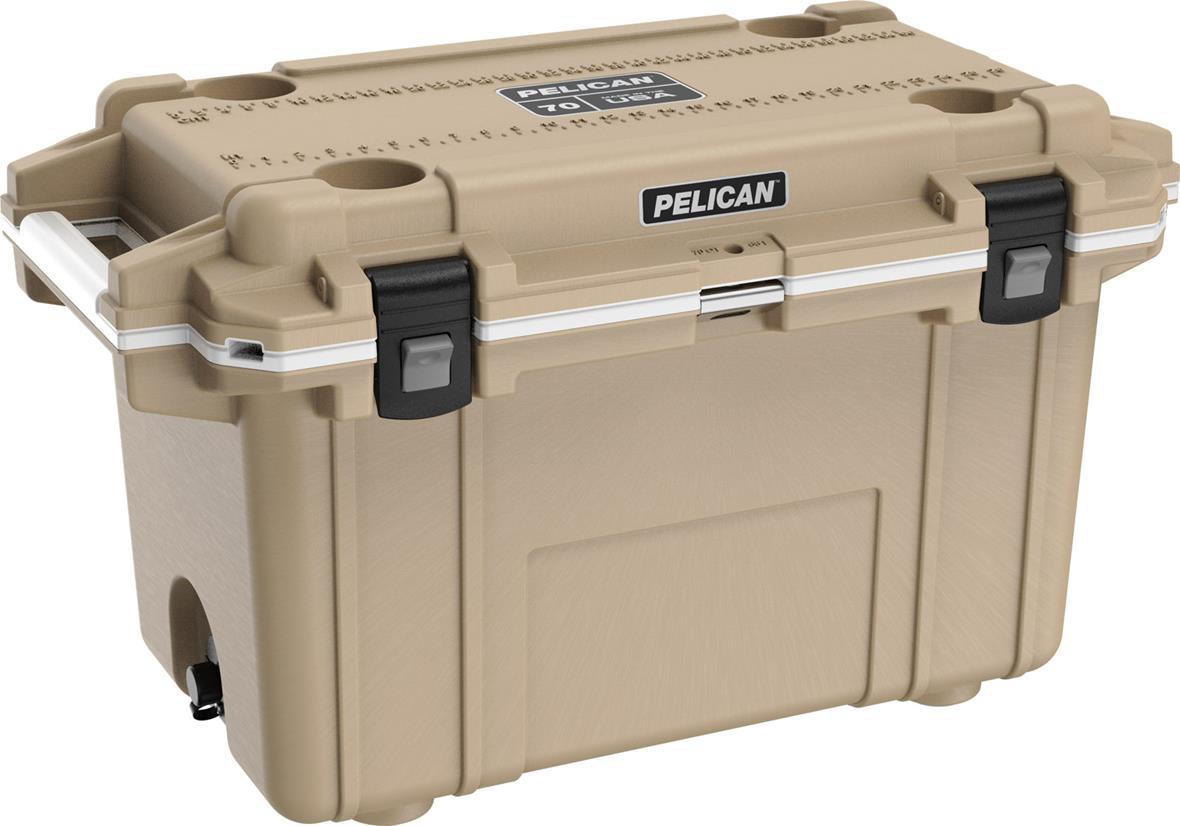
Pelican’s official cooler lineup lists the 70QT Elite model among its made-in-USA Elite coolers, with a current listed price of $362.95 on the official store page. The official product page also highlights thick insulation, Press & Pull latches, rugged hardware, and exterior measurements of 36 x 20.3 x 21 inches.
Why the Pelican 70 Qt Restock Matters Before Peak Outdoor Season
A restock only matters when the product solves a problem that shows up on the calendar. This cooler lands right before the part of the year when Americans start overloading SUVs with folding chairs, sports bags, food trays, bait buckets, drinks, and ice. A weak cooler can ruin that whole setup.
Demand Is Coming From Real Weekend Problems
The rise in interest around a camping cooler restock is not hard to understand. A family heading from Dallas to Broken Bow, or from Phoenix to Lake Powell, does not need a delicate cooler that works only on a shaded patio. They need one that can sit in heat, get opened too many times, and still keep food safe enough to use.
That is where a large hard-sided cooler earns its space. It is not about looking prepared. It is about keeping raw burgers away from warm soda water, saving ice runs, and keeping the second day of a trip from feeling like damage control.
There is a counterintuitive piece here. Bigger is not always better, but the wrong small cooler can cost more in the end. You buy more ice, stop more often, and split food across bags that leak in the trunk. A strong 70-quart class box can simplify the trip.
The Restock Is About Timing, Not Hype
Outdoor products move in waves. Spring shoppers research. Early summer shoppers buy. Late summer shoppers complain that the color or size they wanted is gone. That rhythm hits coolers harder than many other gear categories because one purchase can serve camping, boating, tailgating, fishing, hunting, and emergency food storage.
The “months of high demand” angle makes sense because this is not a seasonal decoration. It is a tool people can use every week. One buyer may want it for Fourth of July grilling. Another may want it for offshore fishing. Another may want it for a high school travel baseball schedule that turns every Saturday into a parking-lot meal plan.
That broad use case is why a restock can vanish fast. It only takes a few overlapping buyer groups to drain supply. Families, anglers, campers, and tailgaters are not shopping on separate calendars anymore. They collide.
What Buyers Are Actually Getting When It Lands Back on Shelves
Once the restock noise fades, the cooler still has to earn its weight. This is where shoppers should slow down. A premium cooler is not magic. It works because of insulation, seal quality, latch pressure, wall thickness, and how carefully you pack it.
Capacity Matters More Than the Label
Retail listings describe the model as a true 70-quart cooler, with room for 46 cans with ice, two inches of polyurethane insulation, and a freezer-grade gasket for cold storage up to nine days under stated conditions. Camping World lists the inside dimensions at 23.50 x 11.00 x 14.30 inches and the weight at 33.29 pounds.
Those numbers matter because capacity can be misleading in cooler shopping. Some brands count outer bulk. Some feel huge outside but cramped inside. A true-to-size cooler gives you a better read on what you can pack.
Still, 70 quarts is not light once loaded. Add ice, drinks, steaks, fruit, water bottles, and condiments, and you may need two adults to move it with comfort. That is not a flaw. It is the tradeoff. The cooler that holds enough for a long weekend will not feel like a lunch box.
The Features That Feel Small Until You Need Them
People often focus on ice retention first, but the daily-use details decide whether you enjoy owning the cooler. Press-and-pull latches matter when your hands are wet. Non-skid feet matter in a boat. A molded bottle opener matters when nobody packed one. A sloped drain matters when you are clearing meltwater at a campsite instead of dragging the whole chest to a sink.
That is why an ice retention cooler should be judged by more than lab-style cold claims. The better question is how it behaves when life gets messy. Does the lid seal after the tenth opening? Can you drain it without soaking your shoes? Can it ride in the truck bed without sliding?
Pelican’s official page emphasizes latches, rugged hardware, and thick insulation, while retailer listings point to molded handles, cup holders, a fish ruler, tie-down slots, and a built-in bottle opener. These are not flashy features. They are the difference between gear that feels tough on day one and gear that still feels useful after a hard season.
How to Decide Whether This Size Fits Your Trips
The smartest buyer does not ask, “Is this the best cooler?” That question is too broad. Ask where it will live, who will lift it, and how often you need cold storage beyond one afternoon. That answer tells you whether this model makes sense.
Where a 70-Quart Box Makes Sense
This size fits people who pack real food, not only drinks. Think three-day camping trips, family lake rentals, fishing weekends, cookouts where you separate meat from beverages, or tailgates where one cooler needs to serve six to ten people. It also works for road trips where grocery stops are far apart.
For example, a family driving from Chicago to a rented cabin in northern Wisconsin may pack breakfast sausage, deli meat, fruit, drinks, and frozen items before leaving home. A smaller cooler forces them into early restocking. A 70-quart chest gives them breathing room.
That is the quiet value. Less scrambling. Fewer gas-station ice runs. More control over the trip.
When a Smaller or Wheeled Option Wins
This is where buyers need honesty. A camping cooler restock can make people rush into a size they may not want. If you mostly go to kids’ soccer games, beach afternoons, or one-night hotel trips, this cooler may be too much. A smaller chest is easier to carry and easier to store.
A wheeled cooler may also make more sense if you often cross parking lots, boardwalks, or campgrounds without help. The 70-quart model has molded-in handles, but no wheel system on the standard version. That matters when it is full.
A hard-sided cooler this size is best when it can be staged from garage to truck to campsite with short carries. It is less ideal when one person needs to drag it across sand. Buying the right cooler is not about toughness alone. It is about matching the tool to your real habits.
Smart Buying Moves Before the Next Wave Sells Through
A restock can tempt shoppers into moving too fast. That is how people end up with the wrong color, wrong size, or wrong retailer policy. A few checks can save money and frustration.
Check Availability Like You Check Weather
Inventory changes fast when seasonal gear gets hot. Look at the official store, major home improvement retailers, outdoor stores, and trusted specialty sellers. Then compare the total cost, not only the sticker price. Shipping, returns, color availability, and delivery speed can change the real deal.
The official Pelican store positions Elite coolers as crafted in the USA and backed by a lifetime warranty. That warranty angle matters for buyers who plan to keep one cooler for years, not swap it after two summers.
Also check the color before you buy. Lighter colors can be easier to live with in direct sun, while darker colors may hide scuffs better. That is not a deal breaker either way, but it is the kind of small choice you notice after months of use.
Buy for Use, Not Bragging Rights
The best cooler purchase is boring in the right way. It fits your trips. It fits your vehicle. It fits your storage space. It fits your lifting reality. That is better than buying the toughest-looking box and then leaving it in the garage because it is too large for normal weekends.
For smart packing, pair the cooler with simple habits. Pre-chill drinks. Freeze water bottles. Keep raw meat in sealed containers. Use block ice for longer trips. Open the lid less than your hungry cousin wants to. Readers planning more outdoor setups can also map this into best camping gear for long weekends and tailgate cooler packing tips.
The Interagency Grizzly Bear Committee explains that certified bear-resistant products still need proper use, and an unlocked cooler is not bear-resistant. A certified product helps, but behavior still matters. That is a good rule for cooler shopping in general. Gear helps most when you use it the right way.
Conclusion
The restock story has weight because this cooler sits at the center of how Americans use outdoor gear now. One product can serve the campsite, boat ramp, backyard, hunting lease, and tailgate lot. That makes demand feel broader than a single hobby trend.
The Pelican 70 Qt is not the right buy for every shopper, and that is worth saying plainly. It is large, loaded weight can be serious, and smaller trips may not need this much cooler. But for buyers who want a durable ice retention cooler with real capacity, tough hardware, and long-term use in mind, the restock is worth watching closely.
Do not buy it because everyone else is looking. Buy it because your weekends keep asking for the same thing: colder food, fewer stops, and gear that does not fold when summer gets rough. Check availability, compare total cost, and choose the size that matches your life before the next hot weekend makes the decision for you.
Frequently Asked Questions
How much can this 70-quart cooler hold for a weekend trip?
It can handle food and drinks for a small group over a long weekend, especially when packed with a smart ice plan. Retail listings commonly describe room for dozens of cans with ice, but real capacity depends on food containers, block ice, and how often you open the lid.
Is this cooler worth buying during a restock?
Yes, if you need serious cold storage for camping, fishing, boating, or tailgating. It is less worth it for short park visits or one-person use. The value comes from durability, size, and fewer ice runs over repeated outdoor trips.
What makes a hard-sided cooler better than a soft cooler?
A hard-sided cooler gives stronger insulation, better protection, and more stability for heavy loads. A soft cooler is easier to carry for short outings. Choose hard-sided when food safety, longer cooling, and rough transport matter more than light weight.
Does bear-resistant mean a cooler is bear-proof?
No. Bear-resistant does not mean impossible to breach. It means the product met a specific testing standard when properly secured. For safety in bear country, use locks or bolts as directed and follow local food-storage rules.
What is the best way to pack an ice retention cooler?
Pre-chill the cooler, use block ice for long-lasting cold, add cubed ice around gaps, and keep drinks separate from food when possible. Put items needed first near the top so the lid stays open for less time.
Should I buy a 70-quart cooler or a smaller one?
Buy the larger size for multi-day trips, group meals, fishing, or tailgates. Choose a smaller one for beach afternoons, solo use, or quick errands. Storage space and lifting comfort should guide the choice as much as capacity.
Why do premium coolers sell out before summer?
Warm weather creates overlapping demand from campers, anglers, boaters, families, and tailgaters. When those groups shop at the same time, popular sizes can move fast. Large coolers are especially vulnerable because they cover many use cases.
What should I check before ordering this cooler online?
Check total price, shipping cost, return policy, warranty terms, color, dimensions, and whether the seller is trusted. Also measure your vehicle cargo area and home storage spot. A great cooler still has to fit your daily setup.