

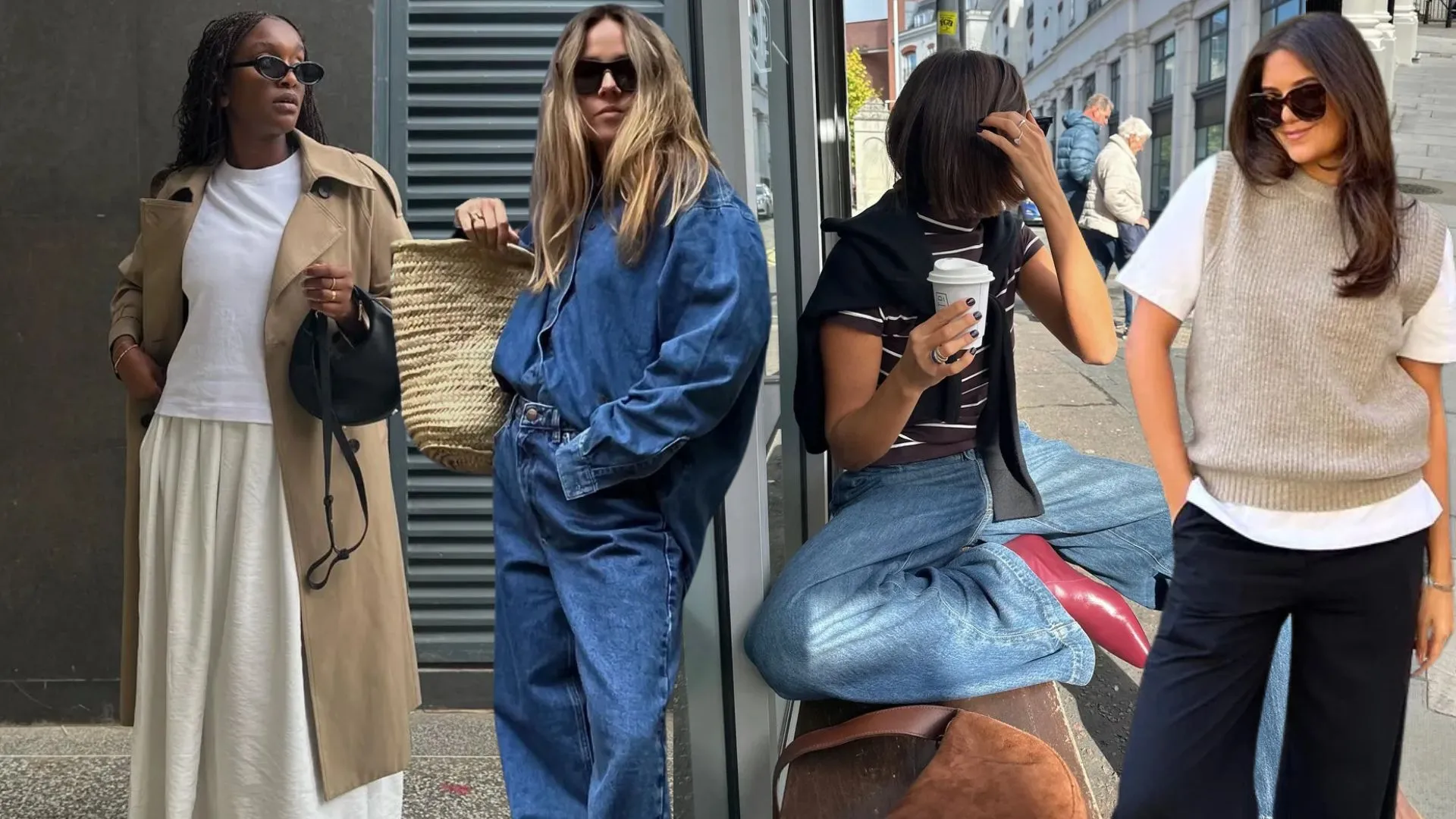
Personal Style Ideas for Everyday Confidence
Clothes speak before you do, and that can either help you feel steady or make you second-guess yourself before the day begins. The good news is that personal style ideas are not about chasing expensive trends or copying someone else’s closet; they are about building a look that makes your daily life feel less awkward and more like you. For many Americans, style has become tied to packed schedules, hybrid work, errands, school pickups, dinner plans, and the quiet pressure to look “put together” without spending an hour in front of a mirror. That pressure is real, but it does not need to own you.
A better approach starts with honest choices, not fashion rules. You can learn from brands, street style, workplace culture, and even visibility tools like digital lifestyle coverage without handing over your judgment. Your clothes should support the way you move through your city, your job, your budget, and your body. Confidence grows when your wardrobe stops feeling like a test and starts feeling like a trusted part of your day.
Building Personal Style Ideas Around Real Life
Style becomes easier when you stop treating it like a costume for an imaginary version of yourself. A working parent in Ohio, a college student in Texas, and a designer in Brooklyn may all want confidence, but their closets need different answers. The strongest wardrobes respect the life you already live, then make that life look sharper, calmer, and more intentional.
Everyday outfits that match your actual schedule
Everyday outfits should begin with your calendar, not your fantasy shopping list. A person who spends most weekdays between office calls, grocery runs, and casual dinners needs clothes that shift without drama. A clean knit top, dark jeans, structured sneakers, and a lightweight jacket may do more for confidence than a closet full of pieces saved for rare occasions.
Many people buy for the event they wish they had instead of the day they keep repeating. That is how closets become packed yet useless. A better move is to write down the five places you go most often, then build outfits around those places first.
Everyday outfits also work best when they remove small decisions. You should know which pants pair with which shoes, which jacket makes a plain shirt look finished, and which colors help you feel awake on a tired morning. Confidence often begins before anyone sees you, in the private relief of not fighting your closet.
Wardrobe basics that do more than sit neatly folded
Wardrobe basics get misunderstood because people hear “basic” and think “boring.” That is the wrong read. A good white tee, straight-leg jeans, a clean button-down, a denim jacket, ankle boots, loafers, and a flattering cardigan can carry more style weight than a loud piece that only works once.
The trick is fit, fabric, and proportion. A plain shirt that skims the body correctly looks better than a trendy top that pulls at the shoulders or collapses after one wash. In the USA, where casual dressing dominates many workplaces and public spaces, wardrobe basics need polish without stiffness.
You do not need a minimalist closet unless minimalism suits you. You need dependable anchors. Once those anchors work, adding color, texture, prints, jewelry, or seasonal layers becomes easier because the base no longer fights back.
Using Clothing to Shape Confidence, Not Hide Insecurity
The next step is more personal because clothes can either express confidence or cover discomfort. Those are not the same thing. A strong outfit does not erase every insecurity, but it can stop adding new ones, and that matters when you are walking into a meeting, date, classroom, or neighborhood gathering.
Confidence through style starts with fit
Confidence through style begins with the way clothes sit on your body. Too many people blame their shape when the real problem is a bad cut. A blazer that pulls at the button, jeans that sag at the knee, or a dress that rides up all day can make anyone feel distracted.
Fit should give you room to live. You should be able to sit, reach, walk, and breathe without adjusting yourself every few minutes. That sounds simple, yet it changes everything because confidence weakens fast when your clothes demand constant attention.
A practical move is to keep a small “tailor list.” Hem pants, shorten sleeves, replace weak buttons, and adjust waistbands when possible. Americans spend plenty on new clothes, but many overlook small fixes that make older pieces look chosen instead of tolerated.
Personal fashion should show one clear point of view
Personal fashion does not need to scream. It needs a signal. Maybe your signal is polished neutrals, bold earrings, vintage denim, soft layers, western boots, sharp jackets, or bright sneakers. One clear point of view makes even simple clothes feel intentional.
Many people get stuck because they want every outfit to express every part of them. That is too much pressure for Tuesday morning. Choose one main note per outfit and let the rest support it. A graphic tee can carry personality while the jacket and pants stay calm.
Personal fashion becomes stronger when you stop asking whether something is “in” and start asking whether it belongs to you. Trends can be fun, but they should earn their place. A closet full of borrowed moods will never feel as steady as one built from honest taste.
Making Style Practical for American Work, Weekends, and Weather
Real style has to survive traffic, weather, long shifts, public transit, air conditioning, school events, and last-minute plans. That is why personal style ideas need practicality baked in from the start. A beautiful outfit that fails your day is not stylish; it is decoration with bad timing.
What to wear for casual work without looking careless
Casual work dress codes have made style both easier and more confusing. A hoodie may be allowed, but that does not mean it always helps you. A sharp casual work outfit usually blends comfort with structure: dark denim or chinos, a smooth tee or blouse, clean shoes, and one piece that adds shape.
Remote and hybrid workers face a different trap. Dressing only for the webcam can make the rest of the day feel blurred. You do not need formal clothes at home, but changing out of sleepwear into a simple outfit can create a mental line between rest and responsibility.
Small upgrades do the heavy lifting. Swap stretched sweatshirts for a knit crewneck, worn-out sneakers for clean leather or canvas shoes, and thin leggings for ponte pants or relaxed trousers. The result still feels comfortable, but it carries more self-respect.
Weekend dressing needs more intention than people admit
Weekend dressing often gets treated as the place style goes to nap. That is a missed chance. Saturdays and Sundays are when many people see friends, run public errands, visit family, travel locally, or go on casual dates, which means the clothes still affect how they feel.
A reliable weekend formula can save energy. Try denim, a soft tee, an overshirt, and shoes that look clean enough for lunch but feel fine for walking. Add sunglasses, a belt, or a watch, and the outfit moves from thrown-on to considered.
Weather matters across the USA because daily style in Miami is not daily style in Minneapolis. Build around climate first, then polish. Linen, cotton, breathable knits, light jackets, wool coats, boots, and water-friendly layers all have a place when they answer the real conditions outside your door.
Creating a Closet That Keeps Paying You Back
A confident closet is not built in one shopping trip. It grows through better decisions, fewer panic buys, and a clearer sense of what deserves space. The goal is not to own more clothes; the goal is to own fewer pieces that solve more problems.
Shop with outfit math instead of impulse
Shopping gets easier when every new item must answer one question: what can I wear this with right now? If a jacket only works with clothes you do not own, it is not a bargain. It is homework hanging on a hanger.
A strong buying rule is the three-outfit test. Before purchasing, name three outfits using pieces already in your closet. If you cannot do it, pause. The item may still be worth buying, but the pause protects you from wishful spending.
This matters because American retail is built to make urgency feel like taste. Sales, limited drops, influencer hauls, and seasonal displays all push speed. Your closet improves when you slow the decision down long enough for your real life to speak.
Edit your closet before blaming your taste
Closet editing sounds dull until you feel the relief of opening a space where every piece has a reason to be there. Start by pulling anything that pinches, stains, sags, or makes you feel unlike yourself. Keep a repair pile, a donation pile, and a maybe pile, but do not let the maybe pile become a storage unit for guilt.
The most revealing pieces are the ones you never wear but keep defending. Maybe they were expensive. Maybe they fit an old identity. Maybe they represent a version of you that no longer exists. Letting go of those clothes can feel strange, but it also gives your current self more room.
Personal style improves when your closet stops arguing with you. Keep the pieces that help you walk out the door with less noise in your head, then build slowly around them.
Conclusion
Confidence does not come from dressing like someone else who seems to have life solved. It comes from choosing clothes that make your own life feel more steady, more honest, and less cluttered by doubt. The best personal style ideas are practical enough for Monday morning, flexible enough for Saturday plans, and personal enough that you still recognize yourself in the mirror.
Start small because small changes stick. Fix the fit of one pair of pants. Build two everyday outfits you can repeat without apology. Remove five pieces that make you feel uncomfortable before buying anything new. Style becomes powerful when it stops being a performance and becomes a form of daily support.
Your next step is simple: open your closet today, choose one outfit that already makes you feel capable, and use it as the first clue toward a style that actually belongs to you.
Frequently Asked Questions
What are the best personal style tips for everyday confidence?
Start with fit, comfort, and repeatable outfit formulas. Choose clothes that match your real schedule, then add one personal detail such as a jacket, shoe, color, or accessory. Confidence grows when your outfit feels useful, natural, and connected to your life.
How can I build everyday outfits without buying many clothes?
Use pieces you already wear often and create fixed pairings. Match one top, one bottom, one layer, and one shoe option for different settings. Repeating strong combinations saves time and helps you see which gaps matter before you spend money.
What wardrobe basics should every American closet have?
A strong closet often includes clean tees, well-fitting jeans, neutral trousers, a button-down, a casual jacket, comfortable shoes, and one polished layer. The exact pieces depend on climate, job, and lifestyle, but each item should work across several outfits.
How does confidence through style affect daily life?
Clothes influence how prepared you feel before you speak, work, socialize, or handle errands. The right outfit will not solve every problem, but it can reduce self-consciousness and help you move through the day with more calm and presence.
What is the easiest way to find my personal fashion style?
Look at the clothes you wear most, then ask what they have in common. Notice colors, fits, fabrics, and shapes that make you feel comfortable. Your style is often hiding inside your favorite repeat outfits, not inside a trend board.
How can casual work outfits look professional?
Choose comfortable pieces with structure. Dark jeans, chinos, clean sneakers, loafers, knit tops, blouses, overshirts, and simple jackets can look polished without feeling stiff. Avoid worn-out fabrics, sloppy fits, and pieces that look better suited for sleep or the gym.
How often should I update my closet for better style?
Review your closet at least twice a year, usually before warm and cold seasons. Remove damaged pieces, repair useful ones, and note what you keep reaching for. Updating does not always mean shopping; sometimes it means editing what no longer serves you.
What are simple personal style ideas for a small budget?
Focus on fit, grooming, clean shoes, and smart outfit repeats. Thrift stores, outlet racks, clothing swaps, and tailoring can stretch a budget. One well-chosen jacket or pair of shoes can make older clothes feel more intentional without a full closet rebuild.

Related Posts